
Technology Supporting Caregivers of Complex Cases: Enhancing Care and Reducing Burden
Caregivers of individuals with complex medical conditions and severe disabilities face numerous challenges daily. Providing physical assistance, managing medications, and ensuring safety can be overwhelming, often leading to stress and burnout. Fortunately, technology is increasingly becoming a vital support system for caregivers, offering tools that improve care quality and ease the caregiving burden.
This article explores how technology supports caregivers of complex cases, highlighting essential devices, remote monitoring systems, and innovative solutions that empower caregivers to deliver better care with less strain.
Understanding the Challenges Faced by Caregivers of Complex Cases
Caring for someone with a complex medical condition involves managing multiple health issues that often require specialized attention. Common challenges include:
Coordinating medical appointments and treatments
Administering medications accurately
Assisting with mobility and daily living tasks
Monitoring health status continuously
Managing communication with healthcare providers
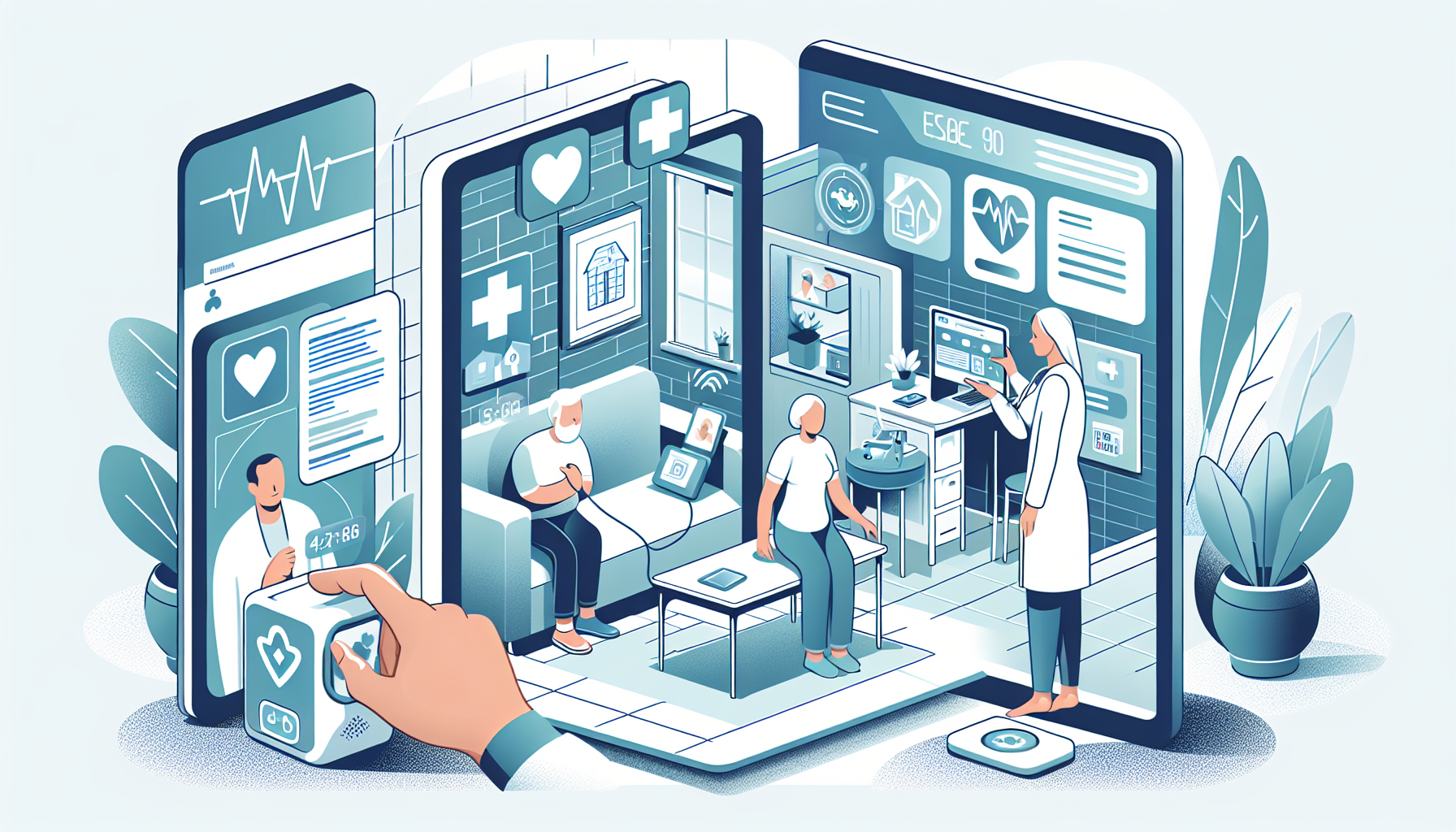
These responsibilities demand significant physical effort and emotional resilience, making effective support systems crucial.
Key Technologies Supporting Caregivers
Technology designed for caregivers focuses on enhancing safety, simplifying care routines, and improving communication. The following are some of the most impactful tools available.
Remote Monitoring and Alert Systems
Remote monitoring devices allow caregivers to track vital signs such as heart rate, oxygen levels, and blood pressure in real-time. These systems provide alerts for abnormal readings or emergencies, enabling prompt response without constant physical presence.
Examples include:
Wearable health trackers with GPS for fall detection
Sensors that monitor movement and activity levels
Smart home systems that detect unusual behaviors or environmental hazards
These tools not only ensure patient safety but also provide peace of mind to caregivers.
Medication Management Technologies
Administering complex medication regimens can be challenging. Technology offers solutions like:
Automated medication dispensers that release doses at scheduled times
Reminder apps with alerts for caregivers and patients
Electronic medication tracking to reduce errors
By streamlining medication management, these tools help prevent missed or incorrect dosages, which is critical in complex cases.
Assistive Devices for Physical Care
Physical assistance often requires tools that protect both the caregiver and care recipient. Notable devices include:
Patient lifts and transfer aids to safely move individuals
Adjustable beds and wheelchairs with ergonomic features
Adaptive utensils and dressing aids to promote patient independence
These devices reduce the risk of injury and make caregiving tasks more manageable.
Communication and Coordination Tools
Effective communication among caregivers, healthcare professionals, and family members is essential in managing complex cases.
Care Coordination Apps
Apps designed for care coordination enable sharing schedules, medication lists, and health updates among multiple caregivers and medical teams. This collaboration minimizes miscommunication and ensures everyone is informed.
Telehealth and Virtual Consultations
Telehealth platforms allow caregivers to consult healthcare providers remotely, reducing the need for travel and facilitating timely medical advice. Virtual visits are especially valuable for monitoring chronic conditions and adjusting care plans.
Electronic Health Records (EHR) Access
Access to digital health records empowers caregivers to stay informed about the patient’s medical history, treatment plans, and test results, fostering more effective care decisions.
Emerging Innovations Supporting Caregivers
New technologies continue to expand the possibilities for caregiver support.
Artificial Intelligence (AI) and Predictive Analytics
AI-powered tools analyze health data to predict potential complications, enabling proactive interventions. These insights help caregivers anticipate needs and avoid emergencies.
Robotics and Automation
Robotic assistants are being developed to aid with tasks such as medication delivery, mobility support, and companionship, reducing physical demands on caregivers.
Virtual Reality (VR) for Caregiver Training and Stress Relief
VR programs offer immersive training simulations that prepare caregivers for complex medical scenarios. Additionally, VR-based relaxation therapies can help reduce caregiver stress.
Tips for Integrating Technology into Caregiving
To maximize the benefits of technology, caregivers should consider:
Evaluating the specific needs of the care recipient and caregiver
Starting with simple, user-friendly devices before progressing to advanced systems
Seeking professional guidance for device selection and training
Ensuring technology complements, not replaces, personal care and emotional support
Proper integration can improve efficiency and quality of care while preserving the human connection.
Conclusion
Technology is transforming the landscape of caregiving for complex medical cases by providing innovative tools that enhance safety, improve communication, and reduce physical and emotional strain. By embracing these technologies, caregivers can deliver higher quality care, maintain their well-being, and empower those they support to live fuller, safer lives.
As technology continues to evolve, ongoing collaboration among caregivers, healthcare providers, and developers will be essential to create tailored solutions that meet the unique challenges of complex caregiving.

