
Adapting Activities for Sensory Processing Disorders
Sensory Processing Disorder (SPD) affects how individuals perceive and respond to sensory stimuli, leading to challenges in daily activities. Occupational therapists play a crucial role in adapting activities to support individuals with SPD, promoting sensory integration and enhancing overall functioning. This article explores effective strategies and activities to adapt for individuals with sensory processing challenges.
Understanding Sensory Processing Disorder
SPD is a neurological condition where the brain has difficulty receiving and responding to information that comes through the senses. Individuals may be overly sensitive (hypersensitive) or under-responsive (hyposensitive) to sensory input. Common symptoms include:
Overreaction to lights, sounds, or textures
Difficulty with coordination and balance
Avoidance of certain foods or clothing
Challenges in focusing or sitting still
Recognizing these signs is the first step in providing effective support through adapted activities.
Strategies for Adapting Activities
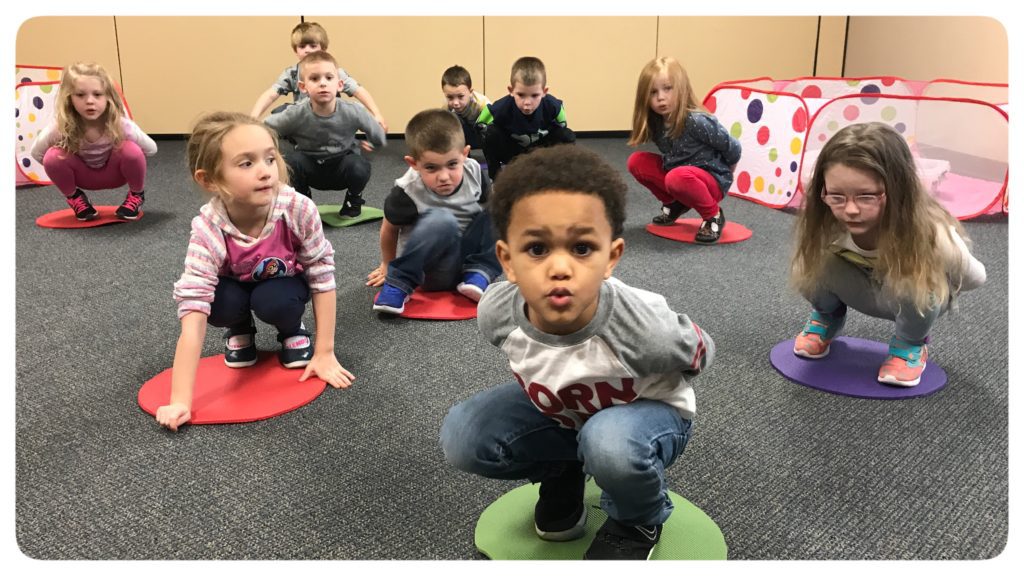
Adapting activities involves modifying tasks to align with an individual’s sensory needs, promoting engagement and reducing discomfort. Here are key strategies:
1. Sensory Diet
A sensory diet is a personalized schedule of activities that provide the necessary sensory input to maintain optimal arousal levels throughout the day. This may include:
Deep pressure activities like squeezing a stress ball
Movement-based tasks such as jumping on a trampoline
Calming exercises like listening to soft music
Implementing a sensory diet helps individuals self-regulate and remain focused during daily tasks.
2. Environmental Modifications
Adjusting the environment can significantly impact sensory processing. Consider the following modifications:
Using soft lighting or natural light sources
Providing noise-canceling headphones to reduce auditory distractions
Creating quiet spaces for breaks
These changes help minimize sensory overload and create a more comfortable setting.
3. Gradual Exposure
For individuals who are hypersensitive to certain stimuli, gradual exposure can be effective. This involves:
Introducing the sensory input in small, manageable amounts
Increasing exposure as tolerance builds
Providing positive reinforcement for engagement
Gradual exposure helps desensitize the individual and build coping mechanisms.
4. Incorporating Preferred Sensory Inputs
Integrating sensory inputs that the individual enjoys can enhance participation. For example:
Using textured materials for tactile exploration
Incorporating favorite scents during activities
Allowing the use of chewable jewelry for oral input
Incorporating preferred inputs increases engagement and reduces anxiety.
Activity Ideas for Sensory Integration
Engaging in specific activities can aid in sensory integration. Here are some ideas:
1. Tactile Exploration
Activities that involve different textures can help individuals become more comfortable with tactile sensations. Examples include:
Playing with playdough or kinetic sand
Exploring bins filled with rice, beans, or fabric swatches
Painting with fingers or brushes
These activities promote tactile discrimination and comfort with various textures.
2. Vestibular Activities
Movement-based activities stimulate the vestibular system, aiding in balance and coordination. Consider:
Spinning in a controlled manner
Rolling on a therapy ball
These activities help individuals process movement and spatial orientation.
3. Auditory Activities
For those with auditory sensitivities, incorporating calming sounds can be beneficial. Try:
Listening to nature sounds or white noise
Using soft, rhythmic music during tasks
Providing noise-canceling headphones during group activities
These strategies help manage auditory input and reduce distractions.
4. Proprioceptive Activities
Proprioceptive input involves activities that provide deep pressure and joint compression. Examples include:
Bear hugs or rolling in a blanket
Jumping on a trampoline
Carrying heavy objects like a weighted backpack
These activities help individuals become more aware of their body position and movement.

