
Customizing Postural Wheelchairs for Comfort: Tailoring Solutions for Enhanced Wellbeing
For individuals who rely on wheelchairs for mobility, comfort is not just a luxury – it’s essential for maintaining health and independence. Customizing postural wheelchairs plays a crucial role in providing the necessary support to maintain proper posture, prevent discomfort, and reduce the risk of pressure sores and other health complications. The right adjustments ensure that the wheelchair fits the user’s body perfectly, enhancing both comfort and functionality.
This article will explore the importance of customizing postural wheelchairs, the factors to consider when making adjustments, and the features that can be tailored to meet the unique needs of each user.
The Importance of Customizing Postural Wheelchairs
Why Customization is Essential
Wheelchairs are not a one-size-fits-all solution. Every individual has a unique body shape, size, and set of needs that must be taken into account when selecting and customizing a postural wheelchair. A proper fit is essential for comfort, health, and mobility. Without the right adjustments, users may experience discomfort, pain, or even serious health issues such as pressure sores, back pain, or muscle strain.
Customization allows for personalized adjustments to ensure that the wheelchair supports the user’s body in the most effective way possible. When tailored correctly, postural wheelchairs can improve overall comfort, enhance posture, and provide long-term health benefits by reducing the risk of secondary complications.
Health Benefits of Customizing Wheelchairs
Customized postural wheelchairs offer several health benefits. One of the primary advantages is the prevention of pressure sores. By redistributing weight and alleviating pressure on vulnerable areas, custom seating cushions and backrests reduce the likelihood of developing ulcers.
Furthermore, a customized wheelchair can promote better posture, which in turn reduces strain on the spine and muscles. This is especially important for individuals with spinal cord injuries, neurological conditions, or other mobility challenges that affect their sitting posture. Maintaining proper alignment reduces the risk of musculoskeletal pain and other complications.
Factors to Consider When Customizing Postural Wheelchairs
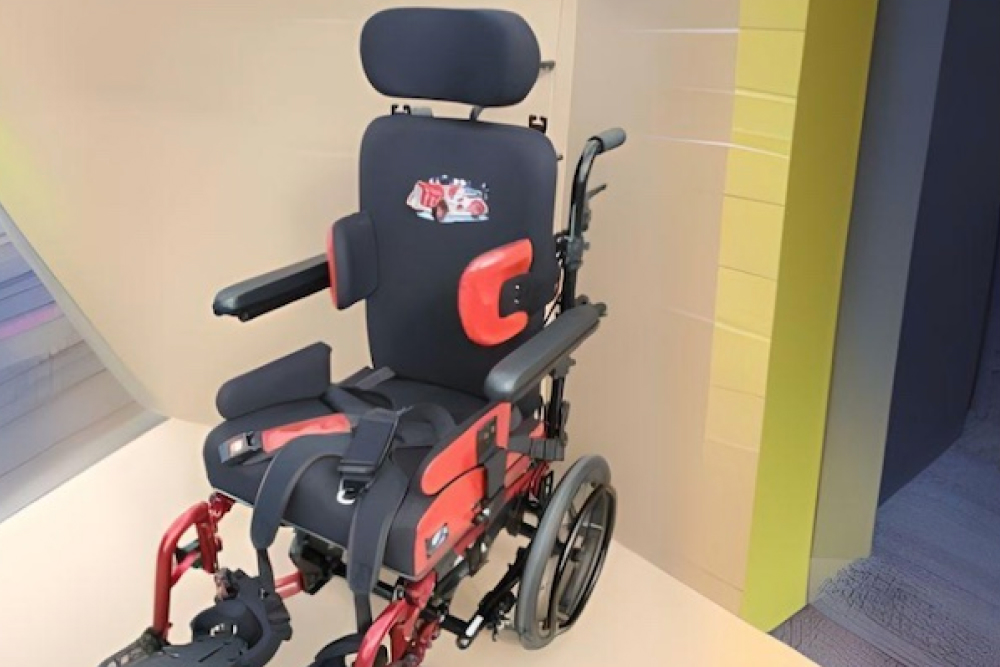
When customizing a postural wheelchair, there are several factors to take into account to ensure optimal comfort and support. These factors vary based on individual needs, medical conditions, and lifestyle requirements.
1. Seat Width and Depth
The seat width and depth are fundamental elements of a customized wheelchair. A proper seat width ensures that the user has enough room to sit comfortably without feeling cramped or restricted. If the seat is too narrow, it can cause pressure on the hips and thighs, leading to discomfort and skin irritation. On the other hand, a seat that is too wide can cause instability and make it difficult to control the chair.
Seat depth also plays a critical role in posture and comfort. The seat depth should be adjusted to provide enough support to the thighs without cutting off circulation behind the knees. The goal is to maintain a natural sitting posture while minimizing the risk of pressure on the legs and buttocks.
2. Backrest Angle and Height
The backrest angle and height significantly impact spinal alignment and overall comfort. A backrest that is too upright or too reclined can strain the back and neck muscles, leading to discomfort and poor posture. Adjustable backrests allow users to fine-tune the angle to suit their needs, ensuring that the spine maintains its natural curvature.
Backrest height is also important for providing adequate lumbar support. A properly positioned backrest offers support to the lower back, preventing slouching and reducing pressure on the spine. For individuals with specific spinal conditions or disabilities, adjustable backrest height is crucial for achieving proper alignment.
3. Cushioning and Pressure Relief
The seat cushion is one of the most important components of a postural wheelchair. Customizing the cushion is essential for providing pressure relief and ensuring long-term comfort. Pressure sores are a common concern for wheelchair users, especially for those who sit for extended periods. A cushion that is too firm or too soft may not provide adequate pressure distribution.
Advanced cushioning options such as foam, gel, or air cushions allow users to choose a material that best suits their body shape and weight distribution. Air cushions, for instance, offer adjustable pressure relief, while gel cushions provide excellent comfort and support. Custom cushions can be designed to relieve pressure on specific areas, further preventing the risk of pressure sores.
4. Footrests and Leg Supports
Footrests and leg supports can be customized to accommodate the user’s specific needs, ensuring comfort and stability. Adjustable footrests allow users to maintain a proper foot position, reducing the risk of leg and knee strain. The ability to raise or lower the footrests helps to promote better circulation and prevent swelling in the legs.
For individuals with limited leg movement, custom leg supports can be added to maintain proper posture and prevent discomfort. Footplates that can be adjusted for foot position, as well as leg rests that allow for changes in angle, provide additional comfort and support during extended periods of sitting.
5. Armrests and Side Guards
Armrests provide support for the upper body and can help reduce strain on the shoulders and arms. Customizing the height and width of the armrests ensures that they are positioned correctly to support the user’s arms and hands comfortably.
Side guards or lateral supports may also be added for individuals who require additional stability and positioning. These supports can be adjusted to help maintain posture and prevent leaning or shifting to one side. For individuals with spasticity or mobility challenges, lateral supports can also help reduce the risk of discomfort from uncontrolled movements.
Advanced Features for Enhanced Customization
1. Tilt-In-Space Mechanism
A tilt-in-space mechanism is a critical feature for individuals who spend a significant amount of time in their wheelchair. This mechanism allows the entire seat and backrest to tilt backward, redistributing the user’s weight and reducing pressure on key areas such as the buttocks and lower back.
Tilt-in-space also promotes better posture by encouraging the user to sit in a more neutral position, which can alleviate strain on the spine and prevent discomfort. This feature is especially beneficial for individuals with limited mobility or those who require frequent repositioning.
2. Reclining Features
Reclining features allow users to adjust the angle of the backrest to a more relaxed position. This can help alleviate muscle tension, improve circulation, and provide relief for individuals who need to take pressure off their hips or lower back. Some reclining wheelchairs include a power mechanism that allows users to adjust the backrest at the touch of a button.
Reclining features can also be combined with a tilt-in-space mechanism for added flexibility and comfort. The combination of these features ensures that users can adjust their seating position for maximum comfort throughout the day.
3. Smart Technology Integration
Smart technology is becoming increasingly integrated into postural wheelchairs. Features such as pressure sensors, posture-tracking apps, and Bluetooth connectivity are helping wheelchair users monitor their posture and adjust their seating position accordingly.
For instance, some postural wheelchairs come equipped with sensors that alert users when it’s time to adjust their position to prevent pressure sores. Apps that track posture can provide valuable feedback, ensuring that users maintain proper alignment throughout the day.
How Customizing Postural Wheelchairs Improves Quality of Life
Enhanced Comfort
A well-customized wheelchair ensures that users experience maximum comfort, whether they are using the chair for short trips or extended periods of sitting. With the right seating adjustments, users can avoid pain and discomfort associated with poor posture or improper alignment.
Prevention of Health Complications
Customization not only improves comfort but also plays a crucial role in preventing health complications such as pressure sores, muscle strain, and joint discomfort. A customized postural wheelchair reduces pressure points and helps users maintain proper alignment, ultimately protecting their overall health.
Increased Independence
With a customized postural wheelchair that provides the right support and comfort, users are better able to maintain independence. Features like adjustable footrests, armrests, and reclining mechanisms make it easier to perform daily activities with greater ease, boosting confidence and self-sufficiency.
Conclusion: The Future of Customized Postural Wheelchairs
Customizing postural wheelchairs is an essential step toward improving comfort, health, and independence for wheelchair users. From seat width and backrest height to advanced features like tilt-in-space and smart technology, customization allows for a personalized approach to wheelchair design that meets the unique needs of each user.
As technology continues to advance, customization options will expand, offering even greater comfort, mobility, and support for individuals with diverse needs. Whether it’s through advanced cushioning, ergonomic adjustments, or integrated smart systems, the future of postural wheelchairs promises enhanced solutions for improved quality of life.

