
Home Modifications for Specialist Disability Accommodation
Specialist Disability Accommodation (SDA) provides tailored housing solutions for people with significant disabilities, ensuring their homes are safe, accessible, and supportive. Central to SDA is the implementation of specific home modifications designed to meet the unique needs of residents, enhancing their independence, comfort, and quality of life.
This article explores the essential home modifications for SDA, explaining how these adaptations contribute to compliance with SDA standards and improve daily living for tenants.
What is Specialist Disability Accommodation (SDA)?
SDA refers to housing designed or modified specifically to support individuals with extreme functional impairment or very high support needs. The National Disability Insurance Scheme (NDIS) funds SDA to ensure residents have homes that cater to their physical, sensory, and support requirements.
Home modifications play a pivotal role in achieving the accessibility and safety standards set by the SDA Design Standards, which are mandatory for funding eligibility.
Core Home Modifications in SDA Properties
1. Accessible Entryways and Doorways
Ensuring barrier-free access is fundamental. Doorways should be widened to at least 850mm to accommodate wheelchairs and other mobility aids, while entrances must have step-free access or ramps with appropriate slopes.
Automatic doors or easy-to-operate handles are often incorporated to facilitate independent entry and exit.
2. Bathroom Modifications for Safety and Independence
Bathrooms are key focus areas for SDA modifications. Features include:
Roll-in showers with grab rails and non-slip flooring
Accessible toilets with support rails and adequate clearance
Sinks with knee space for wheelchair users
Lever-style taps and adjustable shower heads
These adaptations enable residents to maintain personal hygiene safely and independently.
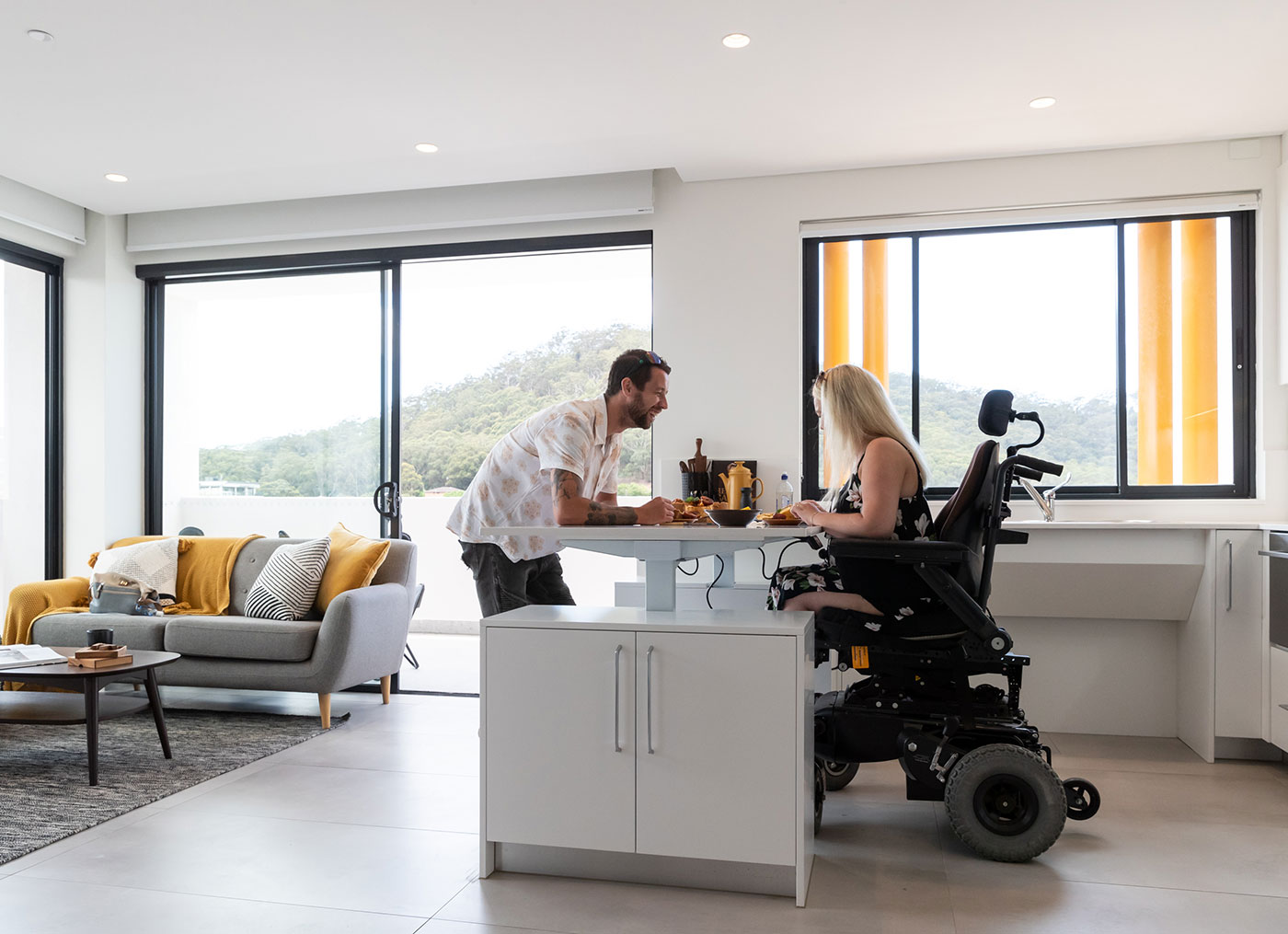
3. Kitchen Adaptations for Usability
Accessible kitchens allow residents to perform daily living tasks more easily. Modifications often include:
Lowered countertops and adjustable-height benches
Accessible storage within reach
Appliances with accessible controls
Clear floor space for wheelchair maneuverability
Such features empower tenants to manage meal preparation and other kitchen activities autonomously.
Advanced Home Modifications for Enhanced Support
4. Smart Home Technology Integration
Incorporating smart technology enhances accessibility and safety. Voice-activated assistants, automated lighting, remote-controlled doors, and environmental sensors help residents control their homes with minimal effort.
These technologies are particularly beneficial for individuals with limited mobility or dexterity.
5. Safety Enhancements and Emergency Systems
Safety is paramount in SDA homes. Modifications include:
Smoke detectors with visual and auditory alarms
Emergency call systems throughout the home
Grab rails in hallways and key areas
Non-slip flooring to prevent falls
Emergency systems provide rapid assistance, boosting tenant and caregiver confidence.
Design Considerations Beyond Physical Modifications
6. Sensory and Environmental Adjustments
Many SDA residents have sensory sensitivities or specific environmental needs. Design adjustments may include:
Noise-reducing insulation
Adjustable lighting to reduce glare
Calming color schemes and tactile surfaces
These elements improve comfort and reduce sensory overload.
7. Flexibility and Future-Proofing
Homes should be adaptable to evolving needs. Features like removable walls, modular furniture, and conduits for future technology upgrades ensure long-term usability.
Planning for flexibility minimizes costly renovations and disruption later.
Steps to Successfully Implement SDA Home Modifications
Conducting Comprehensive Needs Assessments
Collaboration with occupational therapists, tenants, and support workers is essential to understand individual requirements and prioritize modifications effectively.
Working with Qualified Professionals
Engaging experienced architects, builders, and SDA consultants ensures modifications meet regulatory standards and quality benchmarks.
Ensuring Compliance and Documentation
Adhering to SDA Design Standards and maintaining thorough documentation is crucial for funding approval and future audits.
Regular inspections guarantee ongoing compliance and safety.
Benefits of Proper Home Modifications in SDA
Improved Tenant Independence
Tailored modifications empower tenants to live more independently, reducing reliance on caregivers and improving self-esteem.
Enhanced Safety and Reduced Injury Risk
Safety-focused modifications decrease accidents, creating a secure living environment for tenants and peace of mind for families.
Better Quality of Life and Wellbeing
Comfortable, accessible homes contribute to tenants’ physical and mental wellbeing, supporting social inclusion and engagement.
Conclusion: The Essential Role of Home Modifications in SDA
Home modifications are the cornerstone of effective Specialist Disability Accommodation. By integrating accessibility, safety, and technology features tailored to tenant needs, SDA homes significantly improve quality of life and independence.
Developers, builders, and support providers must prioritize these modifications to meet SDA standards and deliver housing that genuinely supports people with disabilities.

