
Innovative Home Modifications to Support SDA Tenants
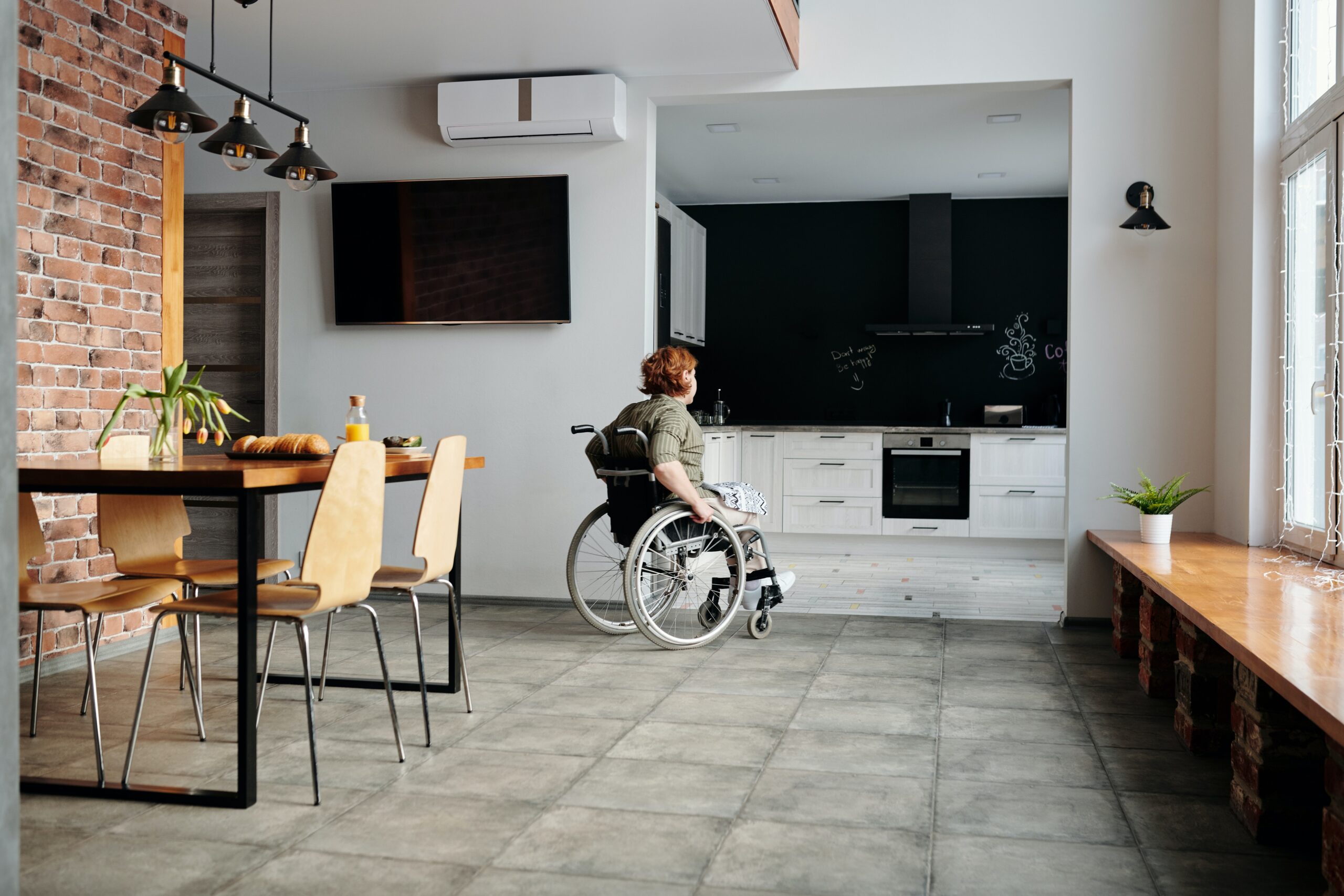
Specialist Disability Accommodation (SDA) plays a crucial role in providing accessible, safe, and supportive housing for people with significant disabilities. Beyond the basic standards, innovative home modifications are transforming how SDA tenants experience independence, comfort, and quality of life.
This article explores some of the most forward-thinking and effective home modifications designed specifically to support SDA tenants, incorporating technology, design, and practical solutions that meet evolving needs.
Why Innovation Matters in SDA Home Modifications
Traditional home modifications such as ramps, widened doorways, and grab rails are foundational, but innovative solutions push the boundaries of accessibility and tenant empowerment.
Innovative modifications:
Enhance tenant independence and autonomy
Improve safety and reduce caregiver workload
Tailor environments to specific sensory and functional needs
Increase property value and compliance with SDA standards
Incorporating these innovations helps create future-proof, adaptable homes aligned with the latest in disability support.
Cutting-Edge Technology Enhancements
Smart Home Automation
Smart home technologies are revolutionizing SDA housing. Automated lighting, heating, and door systems controlled via voice commands or mobile devices give tenants greater control over their environment.
Examples include:
Voice-activated assistants (e.g., Alexa, Google Home)
Automated blinds and lighting for sensory comfort
Smart locks that simplify secure access
These technologies are particularly beneficial for tenants with limited mobility or dexterity, enabling them to manage their homes with ease.
Environmental Sensors and Monitoring
Sensors that monitor temperature, air quality, and movement can be integrated to support health and safety. For example:
Fall detection sensors alert caregivers or emergency services automatically
CO2 and smoke detectors linked to smartphone alerts enhance fire safety
Motion sensors can adjust lighting to prevent falls in low-light conditions
Such systems add a layer of security and responsiveness that traditional modifications lack.
Innovative Physical Modifications
Adjustable and Modular Fixtures
Modular home elements like adjustable-height countertops, sinks, and shelving allow homes to adapt to changing tenant needs. Features such as:
Electrically adjustable kitchen benches
Removable walls or partitions to reconfigure spaces
Modular furniture designed for accessibility
These innovations support tenants whose requirements evolve over time, reducing the need for costly renovations.
Advanced Bathroom Solutions
Bathrooms can be particularly challenging to adapt. Innovations include:
Automated showers with temperature and flow control
Toilet seats with built-in bidet functions and adjustable height
Transfer systems and ceiling hoists that facilitate safe movement
These features significantly improve hygiene, independence, and comfort for SDA tenants.
Sensory and Comfort Innovations
Customized Lighting and Acoustics
Many SDA tenants have sensory sensitivities. Innovations addressing these needs include:
Tunable LED lighting systems that adjust color temperature and brightness
Soundproofing materials and acoustic panels to minimize noise pollution
White noise generators to create calming environments
By tailoring sensory inputs, these modifications enhance mental wellbeing and reduce distress.
Climate Control and Air Quality Systems
Maintaining optimal indoor climate is vital. Innovative HVAC systems can:
Automatically regulate temperature based on occupancy and preferences
Include air purifiers to reduce allergens and pollutants
Use smart thermostats linked to mobile apps for remote control
These technologies contribute to tenant health and comfort year-round.
Safety Innovations in SDA Homes
Advanced Fall Prevention Systems
Falls are a leading risk for people with disabilities. Innovative solutions include:
Pressure-sensitive flooring that detects falls and sends alerts
Wearable devices integrated with home systems for real-time monitoring
Smart lighting that activates automatically to illuminate paths at night
These technologies enhance tenant safety and provide peace of mind to caregivers.
Emergency Response Integration
Modern SDA homes incorporate comprehensive emergency response features such as:
Integrated emergency call buttons accessible throughout the home
Automatic alerts to emergency contacts and services
Backup power systems ensuring devices remain functional during outages
These systems ensure rapid response when emergencies arise.
Implementing Innovative Modifications: Best Practices
Collaborate with Occupational Therapists and Tenants
Successful innovation starts with understanding tenant needs. Occupational therapists provide vital insights, while involving tenants ensures modifications are user-friendly and relevant.
Plan for Adaptability and Future Upgrades
Design with flexibility in mind. Choosing modular and upgradeable technologies allows the home to evolve with tenant needs without major renovations.
Prioritize Training and Support
Introducing new technologies requires training for tenants and caregivers. Providing accessible manuals, tutorials, and ongoing support maximizes benefits and usability.
Conclusion: The Future of SDA Home Modifications is Innovative
Innovative home modifications are transforming SDA housing, making homes safer, more accessible, and more comfortable than ever before. From smart home automation to advanced safety systems and sensory enhancements, these innovations empower tenants and improve their quality of life.
By embracing technology and creative design, homeowners and developers can create SDA homes that meet today’s needs and adapt to tomorrow’s challenges—ensuring long-term success and tenant satisfaction.

