
Managing Severe Disabilities with Technology: Empowering Independence and Enhancing Quality of Life
Severe disabilities can profoundly affect an individual’s ability to perform everyday tasks, communicate, and maintain mobility. However, advancements in technology have created powerful tools that help manage these challenges, promoting greater independence and improving overall quality of life. From mobility aids to communication devices, technology is transforming the way people with severe disabilities live, learn, and interact with the world.
In this article, we will explore how technology supports the management of severe disabilities, highlighting key tools, their benefits, and emerging innovations that promise even greater accessibility.
Understanding Severe Disabilities and Their Impact
Severe disabilities encompass a broad range of physical, cognitive, and sensory impairments that significantly limit an individual’s functional abilities. Conditions such as spinal cord injuries, cerebral palsy, muscular dystrophy, and neurodegenerative diseases often fall into this category.
These disabilities affect various aspects of daily life, including:
Mobility and physical movement
Self-care and daily living activities
Learning and cognitive processing
Managing these challenges requires a holistic approach, where technology plays a pivotal role.
Key Technologies for Managing Mobility Challenges
One of the most visible impacts of severe disabilities is limited mobility. Assistive technology offers a variety of solutions to help individuals move more freely and safely.
Power and Manual Wheelchairs
Wheelchairs remain essential mobility devices. Power wheelchairs with customizable controls (such as joystick, sip-and-puff, or head controls) allow users with limited motor function to navigate independently. Manual wheelchairs provide mobility for users with sufficient upper body strength and can be customized for posture support.
Mobility Aids and Supportive Devices
Other mobility devices include walkers, canes, and crutches designed for balance and stability. Standing frames and gait trainers assist with weight-bearing activities, promoting bone health and muscle strength.
Emerging Mobility Technologies
Robotic exoskeletons and powered orthotics represent cutting-edge advancements, providing assisted walking and movement to individuals with paralysis or muscle weakness.
Communication Technologies for Severe Disabilities
Communication is often a significant challenge for individuals with severe disabilities, especially those who are non-verbal or have speech impairments.
Augmentative and Alternative Communication (AAC) Devices
AAC devices range from simple picture boards to sophisticated speech-generating devices (SGDs) that produce synthesized speech. These tools enable users to express their needs, thoughts, and emotions effectively.
Eye-Tracking and Switch-Activated Technologies
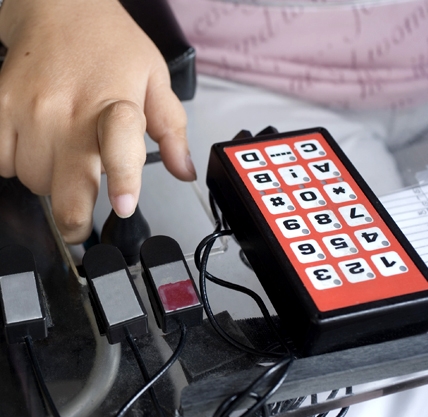
For users with limited hand mobility, eye-tracking systems and switch-activated devices allow hands-free control of communication tools and computers, expanding interaction possibilities.
Mobile Apps and Software
Numerous mobile applications provide customizable communication solutions, offering portability and ease of use for users and caregivers alike.
Technology Supporting Daily Living and Self-Care
Managing daily tasks such as eating, dressing, and personal hygiene can be challenging for those with severe disabilities. Assistive technology provides practical solutions to promote independence.
Adaptive Eating and Feeding Devices
Specialized utensils with ergonomic designs, weighted handles, or robotic feeders assist users in maintaining independence during meals.
Dressing and Hygiene Aids
Tools like button hooks, zipper pulls, and long-handled sponges simplify dressing and grooming. Electric toothbrushes, bidets, and adaptive shower chairs support personal hygiene.
Smart Home Technology
Smart home devices controlled by voice, apps, or adaptive switches enable users to manage lighting, temperature, security systems, and household appliances, fostering autonomy.
Health Monitoring and Safety Technologies
Safety and health management are vital components of managing severe disabilities.
Wearable Health Trackers
Wearable devices monitor vital signs such as heart rate, oxygen saturation, and activity levels, providing real-time data to users and caregivers.
Fall Detection and Emergency Alert Systems
Sensors and alarms detect falls or emergencies, automatically alerting caregivers or emergency services to ensure prompt assistance.
Medication Management Tools
Automated medication dispensers and reminder systems help users adhere to complex medication schedules, reducing errors and improving health outcomes.
Training, Support, and Accessibility Considerations
Successful technology integration requires proper training, support, and customization.
Professional assessments by occupational therapists and assistive technology specialists ensure the right devices are selected.
Training for users and caregivers maximizes device effectiveness and confidence.
Ongoing technical support addresses challenges and updates needs as conditions change.
Accessibility features such as adjustable settings and user-friendly interfaces are critical to adoption.
The Future of Managing Severe Disabilities with Technology
Emerging innovations promise to further transform management of severe disabilities:
Brain-computer interfaces (BCIs) enable direct control of devices using neural signals.
Artificial intelligence (AI) personalizes device functions and predicts user needs.
Robotics and exoskeletons improve mobility and perform complex tasks.
Virtual reality (VR) offers immersive rehabilitation and social interaction opportunities.
These advancements hold the potential to greatly enhance independence and quality of life.
Conclusion
Managing severe disabilities with technology has revolutionized the way individuals live, communicate, and care for themselves. By leveraging mobility aids, communication devices, daily living tools, and health monitoring systems, people with severe disabilities can achieve greater independence and improved well-being.
As technology evolves, continued collaboration among users, caregivers, and professionals will ensure personalized solutions that meet diverse needs. Exploring and embracing these technologies can unlock new possibilities and empower those with severe disabilities to lead fuller, richer lives.

