
New Techniques in Chronic Pain Physiotherapy: Advancements and Benefits
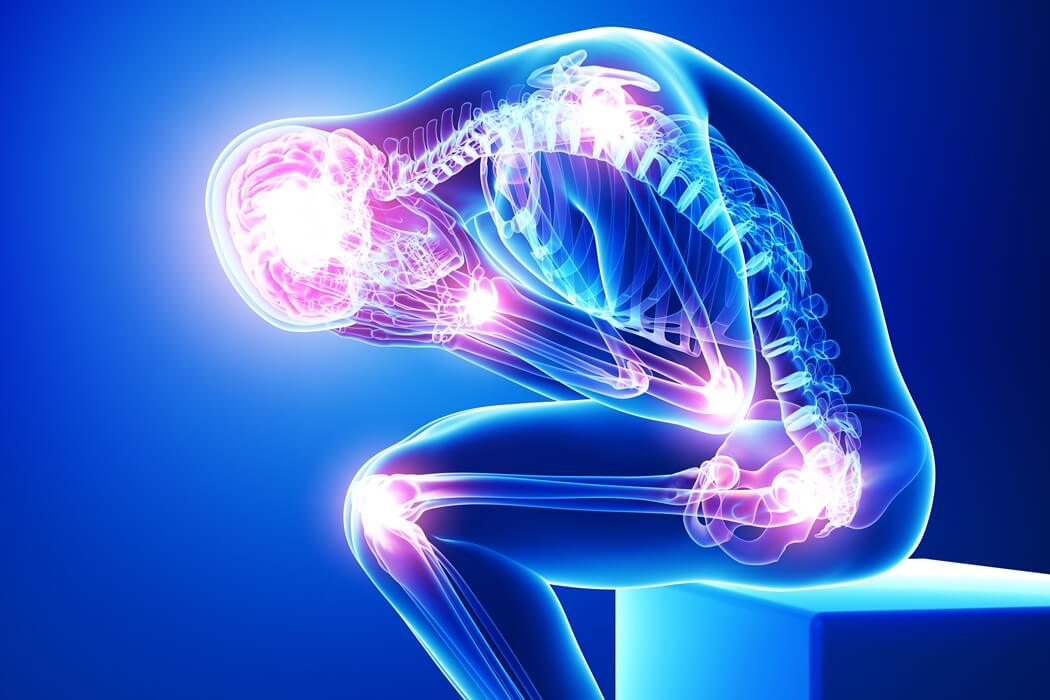
Chronic pain affects millions of people worldwide, significantly impacting their quality of life. It can result from a wide range of conditions, including arthritis, back pain, fibromyalgia, and neuropathy. Traditional treatments like medications and surgeries are often used to manage chronic pain, but physiotherapy has become an increasingly essential part of pain management, offering long-term solutions. With continuous advancements in research and clinical practices, new techniques in chronic pain physiotherapy are providing patients with better outcomes and improved quality of life.
In this article, we explore the latest techniques used in chronic pain physiotherapy, their benefits, and how they are revolutionizing pain management for individuals with persistent pain.
The Role of Physiotherapy in Chronic Pain Management
Physiotherapy plays a crucial role in managing chronic pain by addressing the underlying causes, improving movement, and reducing discomfort. Rather than focusing solely on pain relief, physiotherapists aim to enhance the patient’s overall function and mobility. Physiotherapy treatments for chronic pain include manual therapy, exercise programs, and patient education, all tailored to the specific needs of the individual.
Chronic pain can be complex, and different techniques are employed to target various aspects of pain, such as muscle tension, inflammation, and nerve sensitivity. New techniques in chronic pain physiotherapy are based on the latest research and are designed to optimize recovery, improve functionality, and prevent pain from returning.
1. Dry Needling for Myofascial Pain Syndrome
Dry needling is a modern technique used to treat myofascial pain syndrome, a common source of chronic pain characterized by muscle trigger points. Trigger points are tight knots in the muscle that cause local pain and can refer pain to other areas of the body. Dry needling involves inserting thin needles into these trigger points to release tension and promote healing.
This technique is supported by research showing that it can reduce pain, increase blood flow, and improve muscle function. By targeting specific points of tension, dry needling can help break the cycle of chronic pain and improve the patient’s ability to move without discomfort. The technique is particularly beneficial for individuals with conditions like fibromyalgia, chronic back pain, and tension headaches.
2. Neuromuscular Electrical Stimulation (NMES)
Neuromuscular electrical stimulation (NMES) involves using electrical impulses to stimulate muscles, improving muscle strength and function. This technique is commonly used for patients who have muscle weakness or atrophy due to chronic pain or injury. NMES helps to re-educate the muscles, promoting muscle contraction and reducing the discomfort caused by muscle imbalances.
For individuals with chronic pain, NMES can help reduce muscle spasm, enhance blood circulation, and promote the healing of damaged tissues. This technique is particularly effective for conditions like chronic low back pain, knee osteoarthritis, and post-surgery rehabilitation. By improving muscle function, NMES can also help improve posture, movement, and overall quality of life.
3. Cognitive Behavioral Therapy (CBT) in Physiotherapy
Cognitive Behavioral Therapy (CBT) is a psychological approach that is now being integrated into chronic pain physiotherapy. While physiotherapists traditionally focus on physical treatment, CBT addresses the emotional and psychological aspects of chronic pain. Chronic pain often leads to anxiety, depression, and fear of movement, which can exacerbate pain symptoms.
CBT helps patients change negative thought patterns and behaviors that contribute to their pain. By teaching coping strategies, relaxation techniques, and stress management skills, CBT can help patients reduce the emotional toll of chronic pain and improve their ability to manage pain effectively. This technique is particularly beneficial for individuals with conditions like fibromyalgia, chronic tension headaches, and neuropathic pain.
Advanced Manual Therapy Techniques
Manual therapy involves hands-on techniques performed by physiotherapists to manipulate muscles, joints, and soft tissues to relieve pain and improve movement. In recent years, manual therapy has evolved with the introduction of more specialized techniques designed for chronic pain management.
1. Myofascial Release
Myofascial release is a hands-on technique that targets the fascia, the connective tissue surrounding muscles. Chronic pain often involves tightness in the fascia, which can restrict movement and contribute to discomfort. Myofascial release involves gentle, sustained pressure on the fascia to release tension, reduce pain, and improve flexibility.
This technique is commonly used for patients with conditions such as fibromyalgia, chronic neck and back pain, and postural imbalances. By improving tissue mobility, myofascial release can help restore normal movement patterns and reduce the strain on muscles and joints.
2. Trigger Point Therapy
Trigger point therapy is another manual therapy technique that targets muscle knots or trigger points causing pain. These knots can form in response to overuse, poor posture, or injury, leading to localized pain and discomfort. By applying direct pressure to the trigger points, physiotherapists can relieve muscle tension, improve circulation, and reduce pain.
Trigger point therapy can be combined with stretching and strengthening exercises to promote long-term relief and prevent the recurrence of muscle knots. This technique is particularly effective for treating chronic neck pain, shoulder pain, and headaches.
Integrating Technology in Chronic Pain Physiotherapy
Advancements in technology are increasingly influencing the field of physiotherapy, providing new and innovative solutions for chronic pain management. Several cutting-edge technologies are being integrated into physiotherapy practices to optimize treatment and provide more effective pain relief.
1. Virtual Reality (VR) for Pain Management
Virtual Reality (VR) is emerging as a powerful tool in chronic pain physiotherapy. VR technology immerses patients in simulated environments that distract them from their pain while engaging them in therapeutic exercises. By combining VR with physiotherapy exercises, patients can perform physical therapy in an engaging and enjoyable way.
VR has been shown to reduce pain perception and anxiety in patients undergoing rehabilitation. It is particularly beneficial for individuals with conditions like chronic back pain, arthritis, or complex regional pain syndrome (CRPS), where traditional pain management techniques may be less effective. VR can also be used for cognitive rehabilitation, helping patients improve motor skills and mobility in a virtual environment.
2. Laser Therapy (Low-Level Laser Therapy – LLLT)
Low-Level Laser Therapy (LLLT), also known as cold laser therapy, is a non-invasive technique that uses light energy to stimulate healing in tissues and reduce inflammation. The laser promotes cellular repair, increases circulation, and reduces pain by enhancing the body’s natural healing process.
LLLT is commonly used for chronic pain conditions such as tendonitis, arthritis, and neuropathic pain. It is particularly effective for managing musculoskeletal pain, helping to promote tissue healing and reduce inflammation without the need for invasive procedures or medication.
Benefits of New Techniques in Chronic Pain Physiotherapy
The new techniques in chronic pain physiotherapy provide a variety of benefits for patients suffering from long-term pain. Some of the key benefits include:
1. Personalized Treatment Plans
New physiotherapy techniques allow for more personalized and customized treatment plans based on the specific needs of the individual. By combining different approaches such as dry needling, CBT, and manual therapy, physiotherapists can address the unique aspects of each patient’s pain.
2. Improved Pain Management
With the integration of advanced techniques like VR therapy, LLLT, and neuromuscular electrical stimulation, physiotherapists can provide more effective and targeted pain management. These techniques can help reduce pain intensity, improve functional movement, and prevent further injury or discomfort.
3. Enhanced Quality of Life
By improving movement, reducing pain, and addressing the emotional aspects of chronic pain, these new techniques can significantly enhance the quality of life for patients. They enable individuals to return to normal activities, reduce reliance on pain medications, and lead more active, fulfilling lives.
Conclusion
Chronic pain can be debilitating, but recent advancements in physiotherapy techniques are helping individuals manage and reduce pain more effectively. From dry needling and neuromuscular electrical stimulation to virtual reality therapy and laser therapy, these innovative treatments provide patients with more options for pain relief and rehabilitation. By incorporating these techniques into a comprehensive treatment plan, physiotherapists can help individuals improve their mobility, manage their pain, and enhance their quality of life. If you’re living with chronic pain, consider consulting a physiotherapist to explore these new techniques and find a treatment plan tailored to your needs.

