
Physiotherapy for Ageing Populations: Promoting Health and Mobility in Later Life
As people age, maintaining physical health and mobility becomes increasingly important to preserve independence, quality of life, and overall well-being. Physiotherapy plays a vital role in addressing the unique needs of the aging population, focusing on improving strength, flexibility, and functional movement. This article explores the significance of physiotherapy for aging populations, the benefits it offers, and the techniques that can help seniors lead healthier and more active lives.
The Importance of Physiotherapy for Older Adults
Aging is often accompanied by various physical challenges such as muscle weakness, joint stiffness, and reduced flexibility. These changes can affect daily activities, leading to a decline in independence and a higher risk of falls and injuries. Physiotherapy for aging populations is essential for improving movement, reducing pain, and preventing further deterioration. Through personalized rehabilitation programs, physiotherapists can help older adults maintain their functional abilities, manage chronic conditions, and improve their overall quality of life.
1. Improving Mobility and Flexibility
As people age, the muscles and joints lose elasticity, which can result in stiffness, reduced range of motion, and difficulty moving freely. Physiotherapists design exercises that target flexibility and range of motion to enhance movement patterns, making daily tasks easier to perform. Stretching exercises and manual therapy techniques can also help reduce muscle tightness and improve joint mobility.
2. Fall Prevention and Balance Training
Falls are a significant concern for older adults, often leading to severe injuries like fractures or head trauma. Physiotherapists assess balance and coordination to identify risks and develop targeted interventions. Balance training exercises such as standing on one leg, walking on uneven surfaces, and using stability balls can significantly reduce the risk of falls. Strengthening the core and lower body muscles also plays a crucial role in improving balance and stability.
Common Conditions Treated with Physiotherapy in Aging Populations
Seniors often face a variety of health conditions that can impact their mobility and overall function. Physiotherapy can help alleviate symptoms, manage pain, and promote independence for those living with chronic conditions. Below are some of the most common conditions treated with physiotherapy in aging populations.
1. Osteoarthritis
Osteoarthritis (OA) is a degenerative joint disease that commonly affects older adults, leading to joint pain, stiffness, and reduced mobility. Physiotherapists can develop exercise programs to strengthen the muscles around affected joints, improving joint function and reducing pain. Low-impact exercises, such as swimming or cycling, are often recommended to minimize stress on the joints.
2. Parkinson’s Disease
Parkinson’s disease is a neurodegenerative disorder that affects movement and coordination. Symptoms such as tremors, rigidity, and bradykinesia (slowness of movement) can significantly impact an individual’s ability to perform daily activities. Physiotherapists help people with Parkinson’s disease improve their posture, mobility, and coordination through targeted exercises and gait training. Regular physiotherapy can also reduce the risk of falls and help individuals maintain independence for longer.
3. Stroke Rehabilitation
A stroke can cause significant physical impairments, including weakness, paralysis, and difficulty with speech and coordination. Physiotherapy is an essential part of stroke rehabilitation, focusing on restoring movement and function. Physiotherapists work with stroke survivors to improve muscle strength, mobility, and coordination, while also addressing any postural abnormalities that may result from the stroke.
4. Post-Surgery Recovery
Older adults who undergo surgery, whether for joint replacements or other medical procedures, often face a lengthy recovery process. Physiotherapy plays a crucial role in the rehabilitation process, helping patients regain strength, mobility, and function. A well-designed post-surgery physiotherapy program can reduce recovery time, manage pain, and prevent complications, ensuring that older adults regain their independence as quickly as possible.
Physiotherapy Techniques for Aging Populations
Physiotherapists use a range of techniques to address the specific needs of aging populations. These methods are designed to help improve mobility, reduce pain, and increase functional abilities. Below are some key physiotherapy techniques commonly used for seniors.
1. Manual Therapy
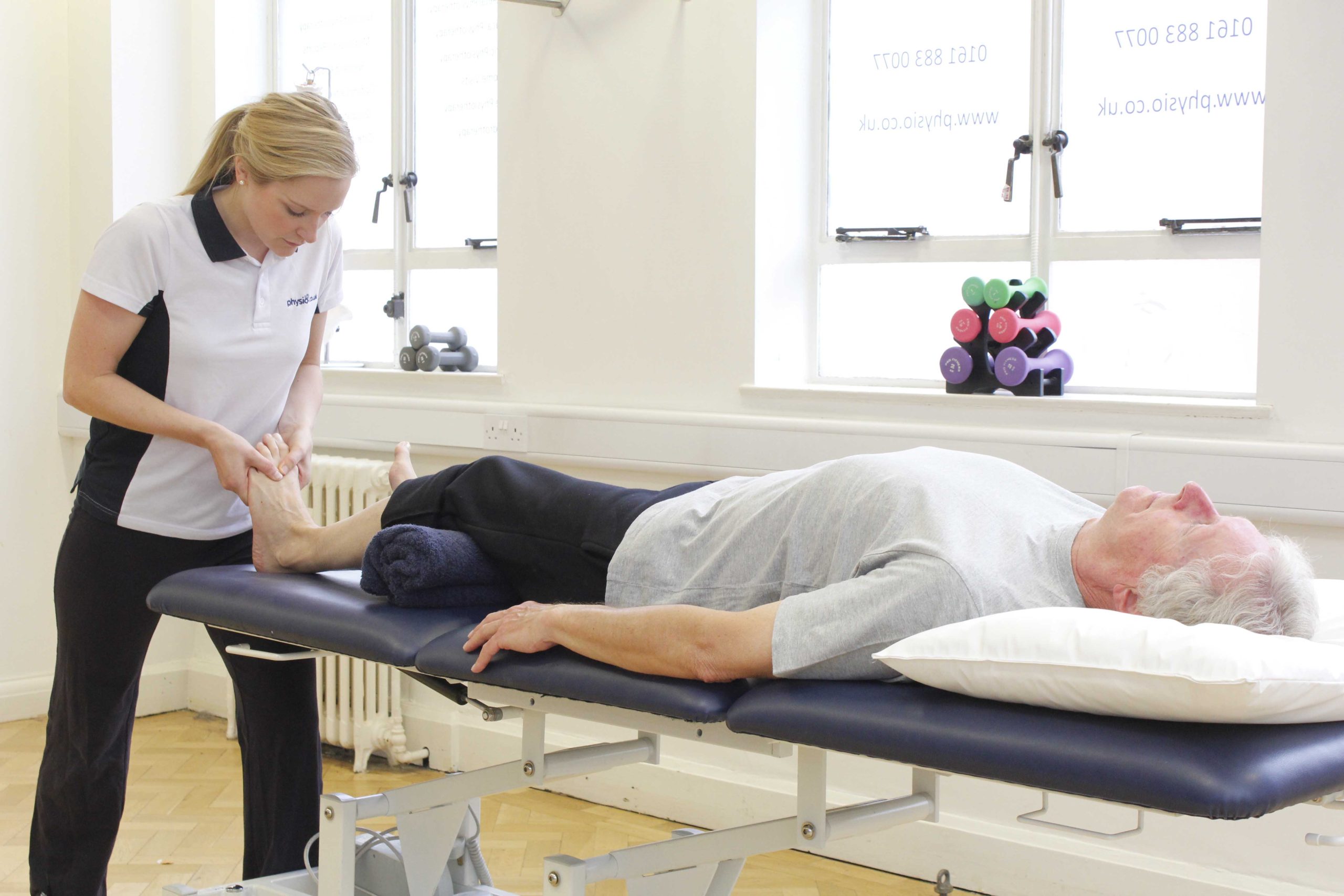
Manual therapy involves hands-on techniques such as joint mobilization, soft tissue massage, and myofascial release. These techniques help reduce pain, improve joint mobility, and release muscle tension, making it easier for older adults to move freely. Manual therapy is particularly beneficial for conditions like arthritis, where joint stiffness and muscle tightness are common issues.
2. Therapeutic Exercises
Exercise is one of the most effective ways to improve strength, flexibility, and coordination in older adults. Physiotherapists design customized exercise programs that target specific areas of weakness or limitation. These exercises may include strengthening routines for the core, legs, and upper body, as well as balance and stretching exercises to improve flexibility. Therapeutic exercises also help prevent muscle atrophy, a common concern as people age.
3. Gait and Posture Training
Proper posture and gait are essential for maintaining balance and preventing falls. Physiotherapists work with older adults to improve posture through targeted exercises that strengthen the back and core muscles. Gait training focuses on correcting abnormal walking patterns, which can be a result of weakness, pain, or neurological conditions. Improving walking patterns can significantly reduce the risk of falls and help seniors maintain their independence.
4. Aquatic Therapy
Aquatic therapy, or hydrotherapy, involves performing exercises in a pool. The buoyancy of the water helps reduce the impact on the joints, making it ideal for individuals with arthritis or joint pain. Aquatic therapy also helps improve cardiovascular fitness, muscle strength, and flexibility without putting additional stress on the body.
The Benefits of Physiotherapy for Aging Populations
Physiotherapy provides numerous benefits for older adults, helping them maintain their independence, reduce pain, and improve their overall quality of life. Here are some of the key benefits of physiotherapy for aging populations:
1. Pain Management
Chronic pain is a common issue among older adults, particularly for those with conditions like osteoarthritis or back pain. Physiotherapy offers various techniques to manage and reduce pain, including manual therapy, heat and cold treatments, and therapeutic exercises. By addressing the root cause of pain, physiotherapy can significantly improve an individual’s comfort and mobility.
2. Improved Mobility and Independence
One of the primary goals of physiotherapy is to improve mobility, allowing older adults to move more freely and independently. Through targeted exercises, balance training, and manual therapy, physiotherapists help seniors regain lost mobility and maintain functional movement. This improvement in mobility enables older adults to perform daily tasks, such as walking, dressing, or cooking, with greater ease.
3. Enhanced Quality of Life
Physiotherapy empowers older adults to remain active and engaged in life, which is crucial for overall well-being. By improving strength, flexibility, and balance, physiotherapy helps reduce the risk of falls, enhance social participation, and increase self-confidence. As a result, seniors are more likely to enjoy an improved quality of life and continue participating in activities they love.
Conclusion
Physiotherapy is an essential tool for aging populations, offering a wide range of benefits that promote health, mobility, and independence. By addressing common age-related conditions, improving strength and flexibility, and reducing the risk of falls, physiotherapy helps seniors maintain an active and healthy lifestyle. Whether recovering from surgery, managing a chronic condition, or simply looking to improve daily function, physiotherapy provides valuable support for aging adults, allowing them to live their later years with vitality and independence.
If you or a loved one is struggling with mobility issues or chronic pain, consider consulting a physiotherapist to develop a personalized rehabilitation plan. The right physiotherapy program can help improve function, reduce pain, and enhance quality of life for aging individuals.

