
Physiotherapy for Senior Mobility: Enhancing Quality of Life
As we age, maintaining mobility and independence becomes an increasingly important aspect of overall health and well-being. Physiotherapy for senior mobility is an essential tool in helping older adults retain or regain the ability to move freely and comfortably. This article explores the role of physiotherapy in improving mobility, the benefits it provides to seniors, and how it can help prevent injuries and enhance quality of life.
What is Physiotherapy for Senior Mobility?
Physiotherapy for senior mobility focuses on maintaining, restoring, or improving the movement abilities of older adults. With age, the body undergoes natural changes that can impact mobility, such as muscle weakness, joint stiffness, and reduced flexibility. Physiotherapists specialize in diagnosing, treating, and preventing physical limitations caused by aging, illness, or injury.
How Physiotherapy Helps Seniors Improve Mobility
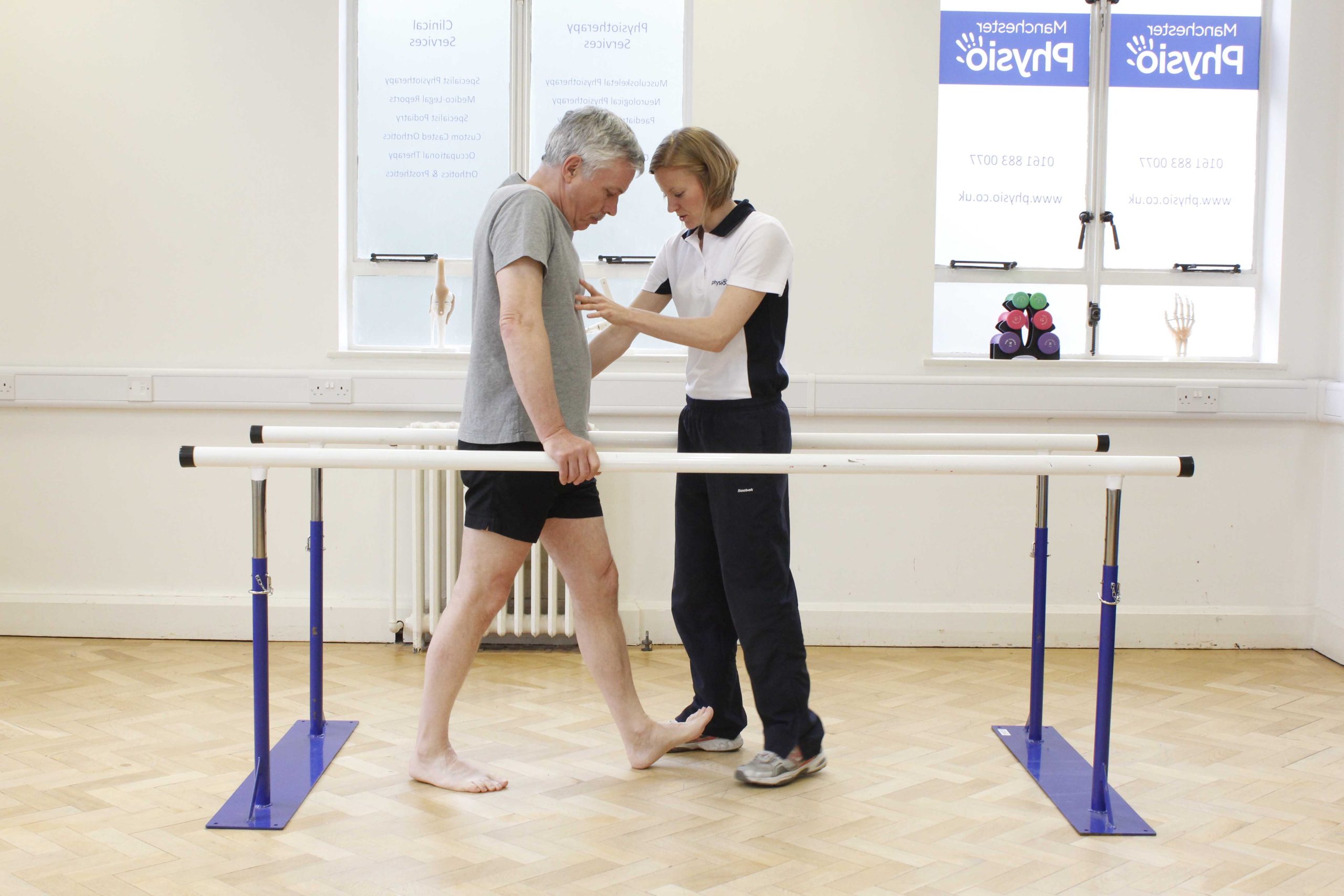
Physiotherapists work with seniors to develop individualized treatment plans designed to address specific mobility challenges. These plans may include exercises, manual therapy, balance training, and education on posture and ergonomics. By focusing on these areas, physiotherapy can help seniors improve strength, flexibility, and overall function, allowing them to perform daily activities with greater ease and confidence.
The Benefits of Physiotherapy for Senior Mobility
Physiotherapy offers a wide range of benefits for seniors, particularly in terms of improving mobility and reducing the risk of falls and injuries. Below are some of the most important benefits:
1. Reduces Pain and Discomfort
As seniors age, many experience chronic pain due to conditions such as arthritis, osteoporosis, or joint degeneration. Physiotherapy can alleviate pain through targeted exercises, stretching techniques, and manual therapy. By reducing discomfort, seniors can move more freely and engage in physical activity without the fear of pain hindering their progress.
2. Improves Strength and Flexibility
One of the main goals of physiotherapy for senior mobility is to improve muscle strength and flexibility. As we age, muscle mass naturally decreases, and joints become stiffer, making movement more difficult. Physiotherapists design exercise programs that target specific muscle groups to enhance strength, increase flexibility, and prevent the muscle atrophy that often accompanies aging. Strengthened muscles support the joints and improve balance, reducing the risk of falls.
3. Enhances Balance and Coordination
Balance problems are common among older adults and can lead to falls, fractures, and other serious injuries. Physiotherapists incorporate balance exercises into treatment plans to help seniors develop better coordination and stability. These exercises focus on strengthening the core muscles and improving postural control, which are crucial for preventing falls and maintaining overall mobility.
4. Increases Independence in Daily Activities
Through physiotherapy, seniors can regain the independence to perform everyday tasks such as walking, climbing stairs, dressing, cooking, and cleaning. By improving mobility, strength, and balance, physiotherapists help older adults perform these activities safely and with less reliance on caregivers or family members.
5. Prevents Injuries and Falls
Falls are one of the leading causes of injury among seniors, often resulting in fractures or long-term disability. Physiotherapists educate seniors on proper posture, movement techniques, and fall prevention strategies. In addition, they assess the home environment for fall hazards and provide recommendations on modifications to reduce the risk of accidents.
Common Mobility Challenges in Seniors and How Physiotherapy Can Help
Older adults face several unique mobility challenges as they age. Physiotherapy can play a significant role in addressing these challenges and improving overall quality of life. Below are some of the most common mobility issues faced by seniors and how physiotherapy can help:
1. Arthritis and Joint Pain
Arthritis is a prevalent condition in seniors that causes inflammation and pain in the joints, particularly in the knees, hips, and hands. Physiotherapy can help by offering targeted exercises that improve joint mobility, strengthen the surrounding muscles, and reduce pain. Techniques such as heat or cold therapy, ultrasound, and manual therapy can also be used to alleviate discomfort and enhance joint function.
2. Osteoporosis and Bone Health
Osteoporosis is a condition that weakens bones, increasing the risk of fractures and falls. Physiotherapists can guide seniors through weight-bearing exercises and movements that help strengthen bones and improve posture. By focusing on maintaining bone health and preventing further deterioration, physiotherapy supports mobility and reduces the risk of bone-related injuries.
3. Stroke Recovery
A stroke can lead to significant mobility challenges, such as paralysis, weakness, or difficulty with coordination. Physiotherapy plays a vital role in stroke recovery by helping individuals regain strength, improve balance, and retrain the brain to control movement. Through targeted exercises and functional training, physiotherapists help seniors maximize their physical capabilities and return to a more independent lifestyle.
4. Parkinson’s Disease and Neurological Conditions
Parkinson’s disease and other neurological disorders can affect mobility by causing tremors, muscle rigidity, and impaired coordination. Physiotherapy helps individuals with Parkinson’s disease by focusing on exercises that enhance movement patterns, improve flexibility, and reduce the risk of falls. Physiotherapists may also recommend specific techniques to help with gait training, posture correction, and fine motor control.
Types of Physiotherapy Techniques for Senior Mobility
Physiotherapy for senior mobility encompasses a variety of techniques tailored to the individual’s needs. Below are some of the most commonly used physiotherapy techniques to improve mobility in older adults:
1. Therapeutic Exercises
Exercise is the cornerstone of physiotherapy for seniors. A customized exercise program targets strength, flexibility, balance, and cardiovascular fitness. These exercises are designed to be low-impact and safe for seniors, with progressions made over time to match the individual’s abilities and limitations. Examples include resistance training, stretching, and low-impact aerobic exercises like walking or swimming.
2. Manual Therapy
Manual therapy involves hands-on techniques to mobilize joints, relieve muscle tension, and improve circulation. Physiotherapists use massage, joint manipulation, and mobilization to reduce pain, improve range of motion, and promote relaxation. These techniques are especially helpful for seniors dealing with conditions such as arthritis, stiffness, or muscle tightness.
3. Balance Training
Balance training exercises help seniors improve their ability to stay steady on their feet, reducing the likelihood of falls. Physiotherapists may use exercises that challenge balance, such as standing on one leg, using balance boards, or practicing walking in different directions. Strengthening the core and lower limbs is key to improving overall balance and coordination.
4. Gait Training
Gait training focuses on improving walking patterns and movement efficiency. For seniors with mobility challenges due to conditions like stroke, Parkinson’s disease, or arthritis, physiotherapists work on improving walking speed, stride length, and posture. They may also recommend walking aids such as canes or walkers to provide additional support during walking.
How to Get Started with Physiotherapy for Senior Mobility
If you or a loved one is experiencing mobility challenges, seeking professional help from a physiotherapist is a great first step. Here’s how you can get started:
- Consult a Healthcare Provider: Speak to a doctor or healthcare professional about the mobility issues you or your loved one is experiencing. They can refer you to a licensed physiotherapist who specializes in senior care.
- Choose a Qualified Physiotherapist: Look for a physiotherapist who has experience working with seniors and understands the unique needs of older adults.
- Initial Assessment: The physiotherapist will conduct a thorough assessment to evaluate mobility, strength, and flexibility. They will then create an individualized treatment plan to address specific goals.
- Follow Through: Regular physiotherapy sessions, along with adherence to home exercises, are essential for achieving the best outcomes. Consistency is key to long-term improvement.
Conclusion
Physiotherapy for senior mobility is an invaluable tool for helping older adults maintain or regain their independence. By addressing pain, strengthening muscles, improving balance, and promoting safe movement, physiotherapists play a crucial role in enhancing quality of life for seniors. Whether it’s recovering from an injury, managing a chronic condition, or simply maintaining overall mobility, physiotherapy can make a significant difference in helping seniors lead more active, fulfilling lives.

