
Assistive Technology for Complex Medical Conditions: Enhancing Quality of Life
Living with complex medical conditions can present numerous daily challenges, affecting mobility, communication, and overall independence. Fortunately, assistive technology (AT) has become a vital resource for individuals facing severe disabilities and complex health needs. From advanced communication devices to customized mobility aids, these innovations empower users to lead fuller, more independent lives.
In this article, we explore the role of assistive technology for complex medical conditions, the types of devices available, and how they improve daily living for patients and caregivers alike.
What Are Complex Medical Conditions?
Complex medical conditions refer to health issues that involve multiple organ systems or require ongoing medical management and support. These conditions often lead to severe disabilities and may include diagnoses such as:
Cerebral palsy
Muscular dystrophy
Spinal cord injuries
Neurodegenerative diseases (e.g., ALS, multiple sclerosis)
Congenital disorders
Severe traumatic brain injuries
These conditions can cause physical, cognitive, and sensory impairments that affect mobility, communication, feeding, and other essential functions.
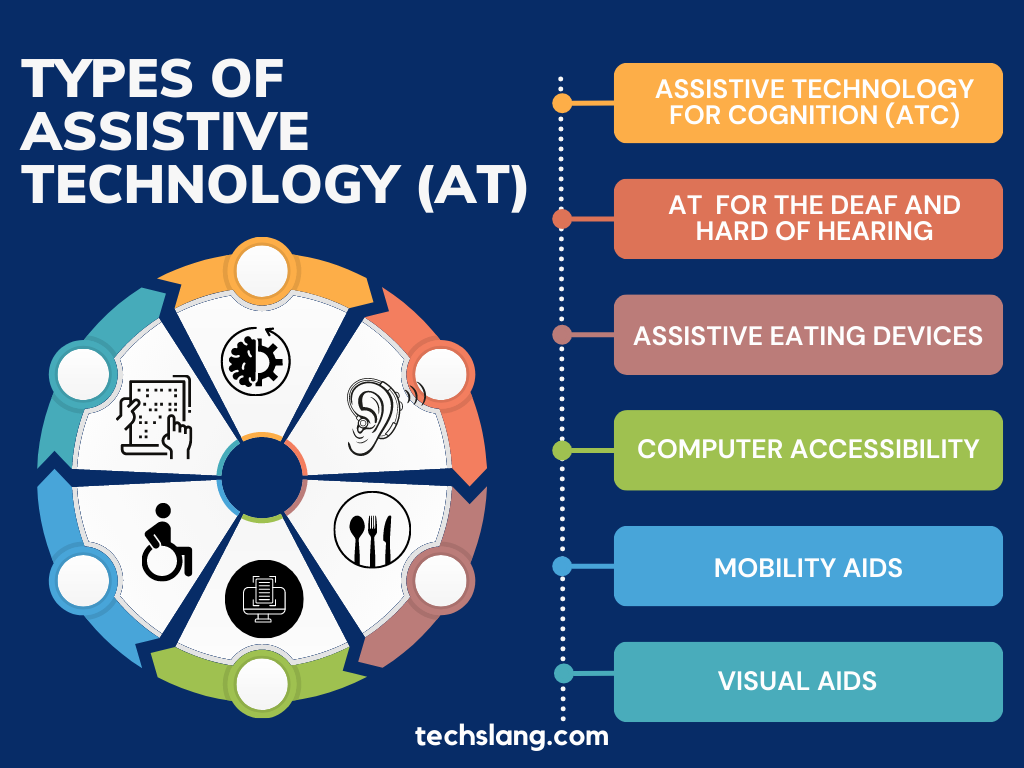
The Role of Assistive Technology in Managing Complex Conditions
Assistive technology serves as a bridge between limitations caused by complex medical conditions and the ability to engage with the world. By adapting tools and devices to an individual’s specific needs, AT improves functionality and promotes independence.
Some of the key benefits of assistive technology include:
Enhancing mobility and physical access
Improving communication for non-verbal users
Supporting daily living activities such as feeding, dressing, and hygiene
Providing cognitive aids to improve memory and task management
Reducing caregiver burden through automation and remote monitoring
Improving Mobility with Assistive Devices
One of the most critical areas of AT for complex medical conditions is mobility support. Wheelchairs, including power and specialized seating systems, are tailored to provide comfort and stability for users with limited motor function.
Other mobility aids include:
Walkers and canes designed for balance support
Standing frames to promote circulation and bone health
Adaptive vehicles with hand controls for independent transportation
Recent advances incorporate robotics and smart technology to create exoskeletons and powered orthotics, giving users increased movement and strength.
Communication Aids for Non-Verbal Individuals
For individuals who cannot speak due to neurological or physical impairments, augmentative and alternative communication (AAC) devices are life-changing. These tools range from simple picture boards to sophisticated speech-generating devices that use eye-tracking or touch input.
Popular communication technologies include:
Text-to-speech apps and devices
Eye-gaze systems for hands-free control
Symbol-based communication boards
Voice banking to preserve a user’s unique voice
Effective communication support improves social interaction, education, and self-advocacy.
Assistive Technology for Daily Living Tasks
Complex medical conditions often impact the ability to perform routine tasks. Assistive technology helps with:
Adaptive utensils and feeding devices to promote independent eating
Environmental control units for managing lights, doors, and appliances
Dressing aids such as button hooks and zipper pulls
Personal hygiene devices including electric toothbrushes and bidets
Smart home technology integration has further expanded accessibility, allowing users to control their environment via voice commands or mobile apps.
How Assistive Technology Supports Caregivers
Caregivers of people with complex medical conditions face significant physical and emotional demands. Assistive technology can ease these challenges by providing tools that enhance safety and streamline care tasks.
Key caregiver support technologies include:
Remote monitoring systems to track vital signs and activity levels
Automated medication dispensers to ensure accurate dosing
Lifting and transfer equipment to reduce injury risk
Communication tools that facilitate coordination with healthcare providers
By reducing caregiver burden, AT fosters better health outcomes for both caregivers and care recipients.
Choosing the Right Assistive Technology
Selecting appropriate assistive technology requires a personalized approach, considering the individual’s medical condition, abilities, and lifestyle. The following steps help guide the decision-making process:
Comprehensive assessment by a multidisciplinary team including occupational therapists, speech therapists, and medical professionals
Involving the user and their family in setting goals and preferences
Trialing devices to evaluate comfort, usability, and effectiveness
Training and ongoing support to ensure successful adoption
Funding options may include insurance, government programs, nonprofit organizations, and grants, which can make AT more accessible.
The Future of Assistive Technology for Complex Medical Conditions
Emerging technologies promise exciting developments in assistive devices, including:
Artificial intelligence (AI) to personalize device function and anticipate user needs
Brain-computer interfaces (BCIs) that enable control through neural signals
Advanced robotics to assist with mobility and daily tasks
Integration of wearable health sensors for continuous monitoring
These innovations hold the potential to dramatically improve independence and quality of life for people with complex medical conditions.
Conclusion
Assistive technology has become indispensable in supporting individuals with complex medical conditions and severe disabilities. By improving mobility, communication, and daily living, AT empowers users to overcome barriers and engage more fully with their communities.
As technology continues to evolve, collaboration among healthcare professionals, caregivers, and technology developers will be essential to create tailored solutions that meet the unique challenges of complex medical needs.
For those affected by complex conditions, exploring assistive technology options can be the first step toward greater independence and enhanced quality of life.

