
Designing Accessible Homes: Key SDA Modifications Explained
Designing accessible homes is a vital step toward creating inclusive living environments for people with disabilities. Specialist Disability Accommodation (SDA) sets out specific standards and modifications to ensure homes are safe, functional, and supportive for tenants with significant support needs. Designing Accessible Homes: Key SDA Modifications Explained
This article explains the key SDA modifications essential for designing accessible homes, providing clear guidance for builders, developers, and homeowners who want to create spaces that truly enhance independence and quality of life.
Understanding the Importance of Accessible Home Design in SDA
Accessible home design goes beyond general home modifications — it involves meeting stringent SDA standards tailored to people with extreme functional impairments or very high support needs.
Properly designed accessible homes enable tenants to live more independently, reduce caregiver burden, and improve overall wellbeing. These homes must comply with the SDA Design Standard, which is mandatory for NDIS funding and accreditation.
Key SDA Modifications for Accessible Homes
1. Wide Doorways and Hallways for Mobility
One of the fundamental modifications is widening doorways and hallways. SDA standards require doorways to be at least 850mm wide, while hallways should be spacious enough to allow easy wheelchair navigation.
Wider passages prevent mobility restrictions and reduce the risk of injury when using mobility aids like wheelchairs or walkers.
2. Step-Free Access and Ramps
Accessible homes must have step-free entries and level access throughout. Installing ramps with appropriate slopes at entrances ensures that tenants using wheelchairs or other mobility devices can enter and exit the home independently.
Thresholds should be flush or have minimal height to avoid tripping hazards.
3. Accessible Bathroom Modifications
Bathrooms require significant adaptation to meet SDA standards. Key modifications include:
Roll-in showers with grab rails and non-slip flooring
Wheelchair-accessible vanities and sinks with knee clearance
Adjustable shower heads and taps with lever handles
Elevated toilet seats with grab bars
These modifications enable safe, independent hygiene and reduce the need for extensive caregiver support.
Additional Essential SDA Modifications Explained
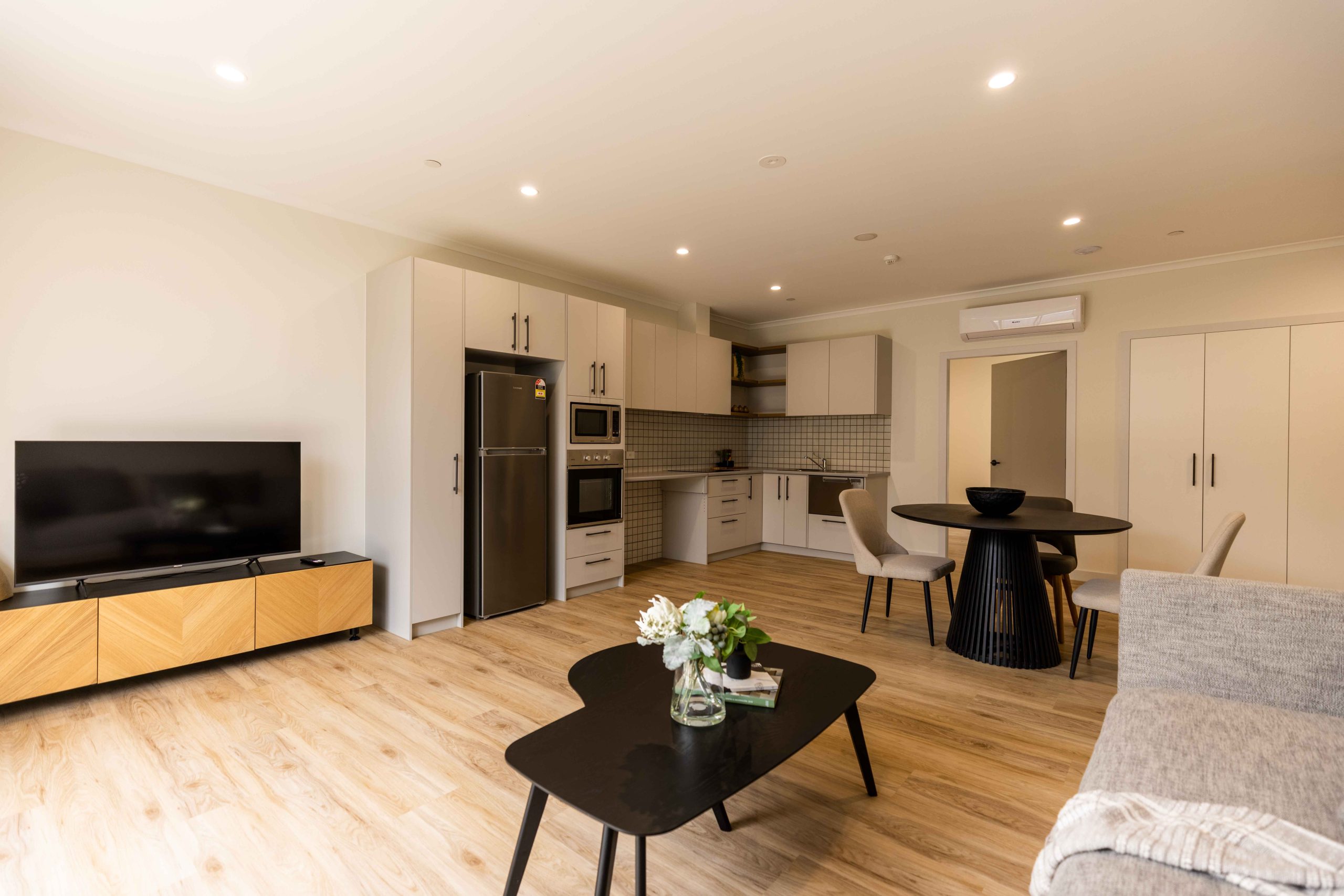
4. Kitchen Adaptations for Independence
Accessible kitchens allow tenants to prepare meals with minimal assistance. Modifications often include:
Lowered countertops and adjustable-height benches
Accessible storage within reach
Lever-style faucets and easy-to-operate appliances
Clear floor space for wheelchair maneuvering
These features empower tenants to manage daily tasks confidently.
5. Smart Home Technologies Integration
Incorporating smart technology is becoming increasingly important in SDA homes. Voice-activated lighting, automated doors, and remote-controlled heating enhance tenant autonomy.
Smart systems tailored to individual needs improve safety, convenience, and communication, especially for tenants with limited physical mobility.
Safety Modifications Critical for SDA Compliance
6. Fire Safety Features
Fire safety is a non-negotiable aspect of SDA homes. Modifications include:
Smoke alarms with both visual (flashing lights) and auditory alerts
Clearly marked, unobstructed emergency exits
Fire extinguishers and sprinklers as required by local codes
These ensure tenants can safely evacuate or be alerted promptly in emergencies.
7. Grab Rails and Support Handles
Strategically placed grab rails and support handles provide stability in areas like hallways, bathrooms, and near beds. These reduce fall risks and support independent movement.
Materials should be durable, non-slip, and installed by professionals following SDA guidelines.
Design Considerations Beyond Physical Modifications
8. Sensory and Environmental Adjustments
Many SDA tenants have sensory sensitivities or require specific environmental conditions. Modifications may include:
Noise-reducing insulation to minimize auditory overload
Adjustable lighting to reduce glare and accommodate visual impairments
Use of calming colors and textures for mental wellbeing
These adjustments enhance comfort and reduce sensory distress.
9. Flexible Spaces and Future Adaptability
Accessible homes should be designed for flexibility to accommodate changing needs. Features such as removable walls, modular furniture, and pre-installed conduits for future tech upgrades ensure long-term usability.
Planning for adaptability saves costs and disruption over time.
Steps to Implement Key SDA Modifications Successfully
Conduct a Needs Assessment
Collaborate with occupational therapists and the tenant to understand specific needs. This ensures modifications are personalized and effective.
Engage Qualified Professionals
Builders, architects, and SDA consultants experienced in accessible housing are vital for compliance and quality.
Secure Necessary Approvals and Funding
Ensure that all modifications meet local building codes and SDA standards. Applying for NDIS SDA funding requires documented compliance.
Monitor and Maintain the Property
Regular inspections and maintenance keep the home safe and functional over time.
Conclusion: Creating Truly Accessible SDA Homes
Designing accessible homes with key SDA modifications is essential to supporting tenants with disabilities to live independently and safely. By incorporating wide doorways, step-free access, smart technology, safety features, and sensory considerations, you can create homes that meet SDA standards and improve quality of life.
If you’re planning SDA home modifications, working closely with experts and following SDA guidelines will ensure compliance and tenant satisfaction.

