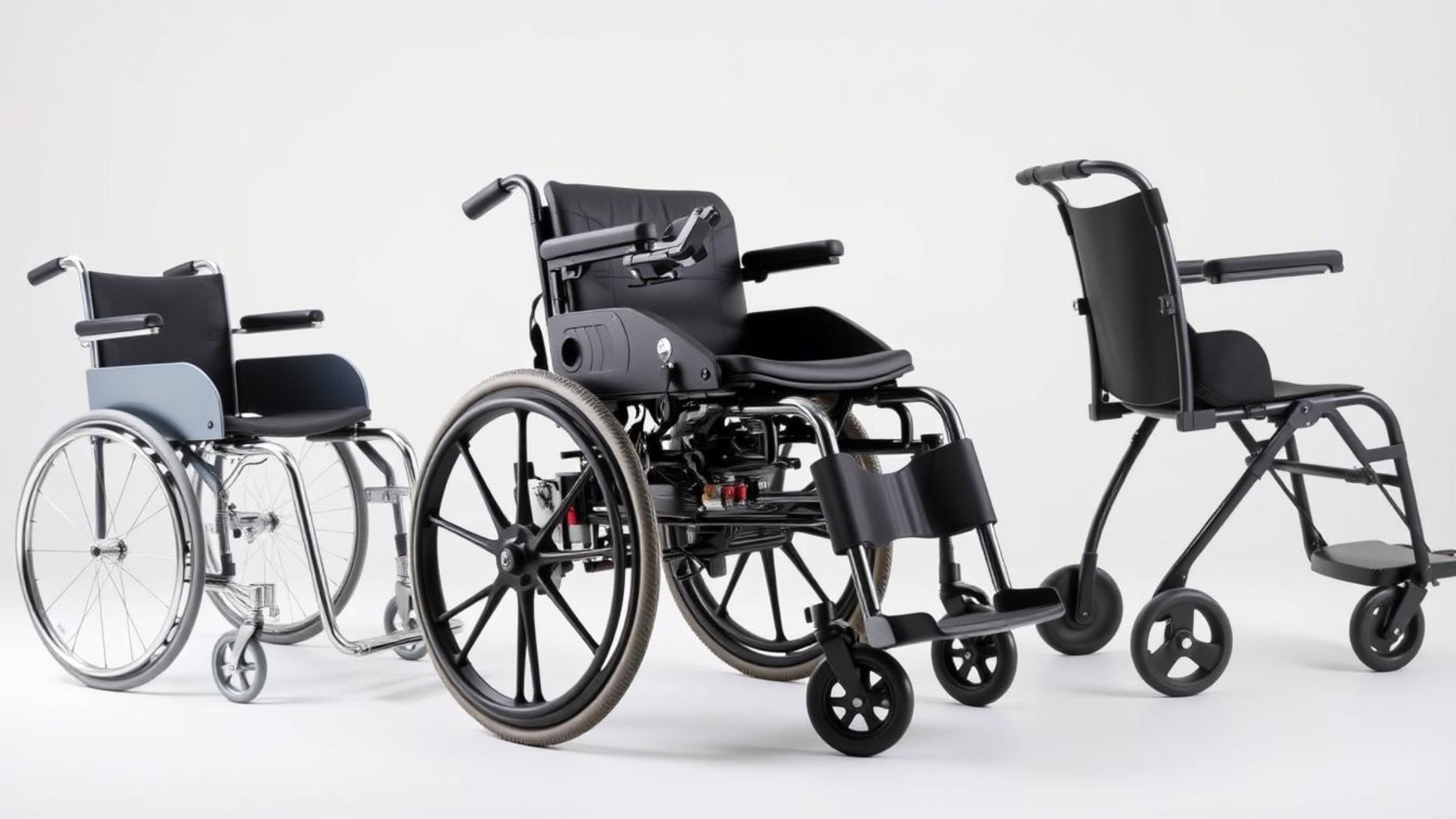
Exploring the 20 Types of Wheelchairs: Which One Fits Your Lifestyle?
Choosing the right wheelchair is a crucial decision that can significantly impact your mobility, comfort, and independence. With numerous options available, it’s essential to understand the different types to find the best fit for your needs. This guide delves into the 20 primary wheelchair categories, helping you make an informed choice. Exploring the 20 Types of Wheelchairs: Which One Fits Your Lifestyle?
1. Manual Wheelchairs: Self-Propelled or Attendant-Propelled
Manual wheelchairs are powered by the user’s arms or pushed by an attendant. They are lightweight and ideal for individuals with upper body strength.
Key Features:
Lightweight frames for easy maneuverability.
Variety of designs to suit different needs.
Cost-effective compared to electric models.
2. Electric (Power) Wheelchairs: Enhanced Mobility
Electric wheelchairs are battery-powered, offering greater independence for users with limited upper body strength.
Key Features:
Joystick or switch controls for easy navigation.
Suitable for both indoor and outdoor use.
Rechargeable batteries for extended use.
3. Lightweight Wheelchairs: Portability and Convenience
Designed for easy transport, lightweight wheelchairs are perfect for travel and daily use.
Key Features:
Weighs between 13 to 18 kg.
Folding frames for compact storage.
Easy to lift and maneuver.
4. Heavy-Duty (Bariatric) Wheelchairs: Strength and Durability
These wheelchairs are built to accommodate larger individuals, offering enhanced stability and comfort.
Key Features:
Higher weight capacity, typically up to 300 kg.
Reinforced frames and wider seats.
Designed for durability and comfort.
5. Sports Wheelchairs: Designed for Active Lifestyles
Sports wheelchairs are specialized for various sports, providing agility and performance.
Key Features:
Lightweight and aerodynamic design.
Customizable to suit specific sports.
Enhanced maneuverability for competitive play.
6. Pediatric Wheelchairs: Tailored for Children
Pediatric wheelchairs are designed to meet the unique needs of children, promoting growth and development.
Key Features:
Adjustable frames to accommodate growth.
Vibrant colors and designs appealing to children.
Supportive seating for comfort and posture.
7. Transport Wheelchairs: Lightweight and Compact
Transport wheelchairs are designed for short-term use and easy transport.
Key Features:
Weighs between 8 to 13 kg.
Folding frames for easy storage.
Ideal for travel and temporary use.
8. Reclining Wheelchairs: Comfort and Pressure Relief
Reclining wheelchairs allow users to tilt the backrest, providing comfort and pressure relief.
Key Features:
Adjustable backrest for various positions.
Helps in pressure sore prevention.
Suitable for individuals requiring extended seating.
9. Tilt-in-Space Wheelchairs: Postural Support
Tilt-in-space wheelchairs enable users to change their posture without altering seat-to-back angle.
Key Features:
Maintains hip, knee, and ankle angles.
Reduces pressure and enhances comfort.
Beneficial for individuals with limited mobility.
10. Hemi-Height Wheelchairs: Lower Seat Height
Hemi-height wheelchairs have a lower seat height, allowing users to propel themselves with their feet.
Key Features:
Seat height adjustable to 17 inches.
Facilitates self-propulsion for certain users.
Suitable for individuals with limited upper body strength.
11. All-Terrain Wheelchairs: Outdoor Exploration
All-terrain wheelchairs are designed for outdoor use, capable of navigating various surfaces.
Key Features:
Large, rugged wheels for stability.
Durable frames to withstand outdoor conditions.
Ideal for hiking, beach outings, and rough terrains.
12. Standing Wheelchairs: Upright Mobility
Standing wheelchairs allow users to transition from sitting to standing positions, promoting health and independence.
Key Features:
Motorized or manual standing mechanisms.
Supports weight-bearing and circulation.
Enhances social interaction and accessibility.
13. Smart Wheelchairs: Technology-Enhanced Mobility
Smart wheelchairs integrate technology to assist users in navigation and control.
Key Features:
-
Adaptive control systems for diverse needs.
-
Enhanced battery and charging systems.
-
Integration with smart home devices.
14. Pediatric Tilt-in-Space Wheelchairs: Specialized Support for Children
Pediatric tilt-in-space wheelchairs offer postural support and comfort for children with special needs.
Key Features:
-
Adjustable tilt for pressure relief.
-
Supportive seating for growth and development.
-
Designed to meet pediatric requirements.
15. Reclining Pediatric Wheelchairs: Comfort for Children
Reclining pediatric wheelchairs provide comfort and pressure relief for children requiring extended seating.
Key Features:
-
Adjustable backrest for various positions.
-
Supportive seating for comfort and posture.
-
Suitable for children requiring extended seating.
16. Bariatric Tilt-in-Space Wheelchairs: Enhanced Support
Bariatric tilt-in-space wheelchairs offer postural support and comfort for larger individuals.
Key Features:
-
Adjustable tilt for pressure relief.
-
Reinforced frames for durability.
-
Designed to accommodate larger individuals.
17. Bariatric Reclining Wheelchairs: Comfort and Support
Bariatric reclining wheelchairs provide comfort and pressure relief for larger individuals requiring extended seating.
Key Features:
-
Adjustable backrest for various positions.
-
Reinforced frames for durability.
-
Suitable for individuals requiring extended seating.
18. Pediatric Standing Wheelchairs: Upright Mobility for Children
Pediatric standing wheelchairs allow children to transition from sitting to standing positions, promoting health and independence.
Key Features:
-
Motorized or manual standing mechanisms.
-
Supports weight-bearing and circulation.
-
Enhances social interaction and accessibility.
19. Pediatric Smart Wheelchairs: Technology-Enhanced Mobility for Children
Pediatric smart wheelchairs integrate technology to assist children in navigation and control.
Key Features:
-
Adaptive control systems for diverse needs.
-
Enhanced battery and charging systems.
-
Integration with smart home devices.
20. Bariatric Standing Wheelchairs: Upright Mobility for Larger Individuals
Bariatric standing wheelchairs allow larger individuals to transition from sitting to standing positions, promoting health and independence.
Key Features:
-
Motorized or manual standing mechanisms.
-
Supports weight-bearing and circulation.
-
Designed to accommodate larger individuals.
Conclusion
Selecting the appropriate wheelchair is a personal decision that depends on various factors, including your physical condition, lifestyle, and specific needs. By understanding the different types of wheelchairs and their features, you can make an informed choice that enhances your mobility and quality of life. Always consult with healthcare professionals to ensure the selected wheelchair aligns with your requirements.