
Step-by-Step Home Modifications to Meet SDA Requirements
Specialist Disability Accommodation (SDA) plays a critical role in providing accessible and safe housing for people with significant disabilities. Meeting SDA requirements often means making specific home modifications that ensure the space is not only functional but also comfortable and compliant with standards.
This guide walks you through the step-by-step home modifications necessary to meet SDA requirements, helping you create a living environment tailored to the needs of SDA tenants while maximizing compliance and comfort.
Understanding SDA and Its Home Modification Requirements
Before diving into the modifications, it’s essential to understand what SDA entails. SDA refers to housing designed specifically for people with extreme functional impairment or very high support needs. The goal is to provide accessible, safe, and adaptable homes.
The National Disability Insurance Scheme (NDIS) sets out specific SDA design standards, which cover everything from door widths and bathroom layouts to sensory modifications. Modifications must follow these standards to ensure funding eligibility and tenant safety.
Step 1: Conduct a Comprehensive Needs Assessment
Identify Tenant-Specific Requirements
Every SDA tenant has unique needs based on their disability and support requirements. Conducting a thorough needs assessment with occupational therapists and care providers helps identify essential modifications. This can include mobility aids, communication devices, and safety equipment.
Review SDA Design Standards
Familiarize yourself with the SDA design standards published by the NDIS. These standards outline mandatory and recommended features, such as minimum door widths, wheelchair access, lighting levels, and emergency egress. Understanding these is key to compliant modifications.
Step 2: Plan Structural Home Modifications
Widen Doorways and Hallways
One of the most common modifications is widening doorways and hallways to accommodate wheelchairs and mobility aids. SDA standards generally require doorways to be at least 850 mm wide, ensuring easy passage for users with mobility equipment.
Install Ramps and Level Access
Steps and thresholds can hinder mobility, so installing ramps or ensuring level access at entry points is crucial. These should comply with slope requirements for safety and ease of use.
Modify Bathroom and Kitchen Layouts
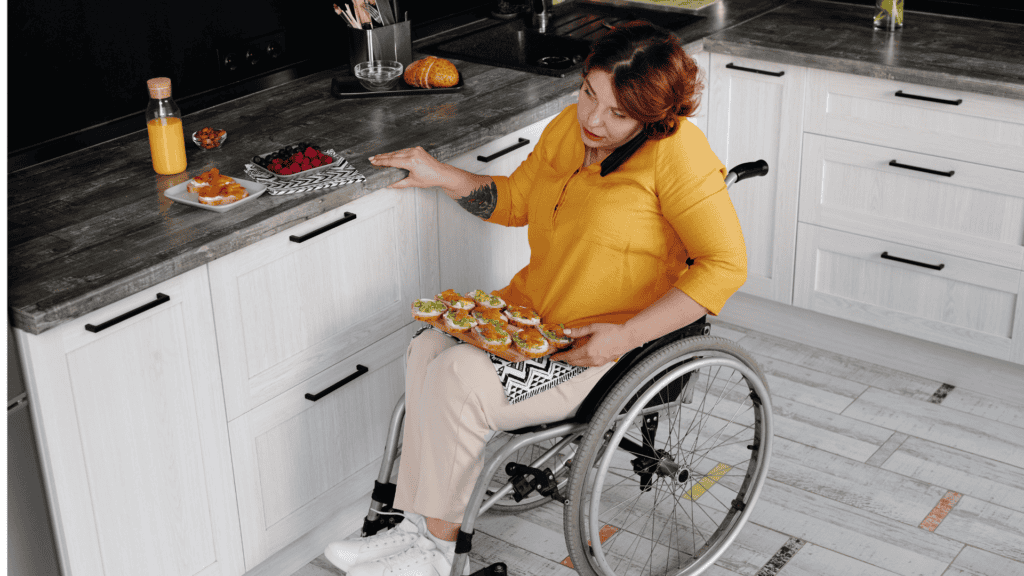
Bathrooms and kitchens must be fully accessible. This involves installing grab rails, accessible showers with roll-in capabilities, height-adjustable benches, and lever-style taps. Ensure space for maneuvering wheelchairs, and consider anti-slip flooring for safety.
Step 3: Adapt Electrical and Lighting Systems
Install Accessible Switches and Controls
Electrical switches and controls should be positioned at heights accessible for wheelchair users, generally between 900mm and 1100mm from the floor. Consider large rocker switches for ease of use.
Implement Smart Home Technology
Incorporating smart home features like voice-activated controls, automated lighting, and security systems can improve tenant independence and safety. These systems should be tailored to the tenant’s abilities and preferences.
Step 4: Enhance Safety Features
Install Fire Safety Modifications
Ensure fire safety compliance by installing visual and auditory alarms suitable for tenants with sensory impairments. Fire extinguishers and emergency exit routes must be clearly marked and accessible.
Add Secure Locks and Alarms
Security modifications, including easy-to-use locks, emergency call buttons, and surveillance systems, enhance tenant safety without compromising independence.
Step 5: Incorporate Sensory and Comfort Modifications
Improve Acoustic Insulation
For tenants sensitive to noise, soundproofing walls or installing acoustic panels helps create a calm environment.
Adjust Lighting for Sensory Needs
Consider dimmable lights, natural light maximization, and non-glare surfaces to support tenants with sensory sensitivities.
Step 6: Final Inspection and Compliance Certification
After completing modifications, conduct a thorough inspection with certified occupational therapists and building inspectors. Ensure every change aligns with SDA standards and that the home is safe and functional for the tenant.
Documentation of compliance is essential for SDA funding and ongoing support.
Conclusion: Creating an Accessible and Supportive SDA Home
Meeting SDA requirements through home modifications is a detailed process that requires careful planning and collaboration with professionals. By following these step-by-step guidelines—from assessing tenant needs to final inspections—you can create a living space that truly supports independence, safety, and quality of life for SDA tenants.
If you’re planning to modify a home for SDA, consulting with experienced occupational therapists and builders familiar with SDA standards is crucial to ensure success.

