
Wearables & Monitoring: Preventative Rehab at Home for Seniors
As Australia’s population ages, the demand for effective and accessible aged care solutions has never been greater. Wearable health monitoring devices have emerged as a transformative tool in supporting seniors’ health and independence, particularly in the realm of home-based rehabilitation. These devices offer continuous monitoring, real-time feedback, and data-driven insights that empower both seniors and caregivers to proactively manage health and prevent complications.
What Are Wearable Health Monitoring Devices?
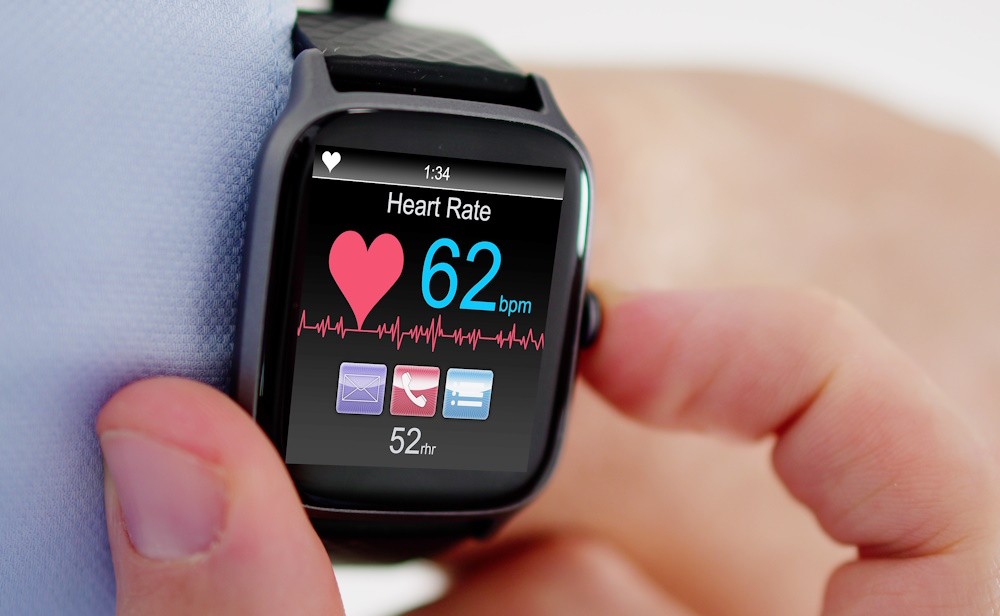
Wearable health monitoring devices are compact, user-friendly gadgets designed to be worn on the body, such as smartwatches, fitness trackers, and sensor-integrated clothing. They are equipped with sensors that track various health metrics, including heart rate, blood pressure, oxygen saturation, sleep patterns, and physical activity levels. Advanced models also feature fall detection, GPS tracking, and emergency alert systems, which are crucial for seniors living independently.
The integration of artificial intelligence (AI) and machine learning in these devices allows for the analysis of collected data, enabling the prediction of potential health issues before they become critical .
Benefits of Wearables in Preventative Rehabilitation
Implementing wearable technology in home-based rehabilitation offers numerous advantages:
1. Continuous Health Monitoring
Wearables provide real-time tracking of vital signs, allowing for the early detection of abnormalities such as irregular heart rhythms or changes in blood oxygen levels. This continuous monitoring ensures that any potential health issues are identified promptly, facilitating timely interventions .
2. Fall Detection and Emergency Alerts
Falls are a leading cause of injury among seniors. Many wearable devices are equipped with accelerometers that detect sudden movements or impacts indicative of a fall. Upon detecting a fall, these devices can automatically send alerts to emergency contacts or healthcare providers, ensuring swift assistance .
Skilled Care Journal
3. Personalized Rehabilitation Plans
Data collected from wearable devices can be analyzed to tailor rehabilitation programs to the individual’s specific needs and progress. This personalized approach enhances the effectiveness of rehabilitation efforts and promotes quicker recovery times .
4. Enhanced Medication Adherence
Some wearable devices include features that remind users to take their medications at prescribed times. This functionality is particularly beneficial for seniors managing multiple prescriptions, as it helps prevent missed doses and potential complications .
5. Improved Mental Health and Social Connectivity
Certain wearable devices offer features that monitor sleep patterns and physical activity, which are closely linked to mental health. By encouraging regular movement and providing insights into sleep quality, these devices can help reduce feelings of isolation and depression among seniors .
Challenges and Considerations
While wearable devices offer significant benefits, there are challenges to their widespread adoption:
Technological Literacy: Some seniors may find it difficult to operate advanced technology. User-friendly interfaces and caregiver support can mitigate this issue.
Data Privacy and Security: Ensuring that health data is securely stored and transmitted is paramount to protect users’ privacy .
Device Accuracy: Not all wearable devices offer the same level of accuracy as medical-grade equipment. It’s essential to choose devices that meet regulatory standards and have been validated for clinical use.
Future Trends in Wearable Technology for Aged Care
The future of wearable technology in aged care is promising, with several emerging trends:
Integration with Telehealth Platforms: Wearables are increasingly being integrated with telehealth systems, allowing healthcare providers to monitor patients remotely and adjust treatment plans as needed.
Advanced Sensors and AI: Future devices are expected to incorporate more sophisticated sensors and AI algorithms to detect a broader range of health issues and predict potential emergencies before they occur.
Interoperability with Other Health Devices: Wearables will likely become more compatible with other health monitoring devices, creating a comprehensive health ecosystem that provides a holistic view of an individual’s health status.
Conclusion
Wearable health monitoring devices are revolutionizing home-based rehabilitation for seniors by providing continuous, real-time health data that empowers individuals and caregivers to take proactive steps in managing health and preventing complications. As technology continues to advance, these devices will play an increasingly vital role in enhancing the quality of life and independence of older adults.
For seniors and caregivers considering wearable devices, it’s essential to select products that are user-friendly, accurate, and compatible with other health monitoring systems. Consulting with healthcare providers can also ensure that the chosen device aligns with the individual’s specific health needs and rehabilitation goals.

