
Choosing the Right Postural Seating Mobility Device: A Comprehensive Guide
Selecting the right postural seating wheelchair is crucial for individuals who rely on wheelchairs for mobility and comfort. These specialized chairs are designed to provide optimal support, improve posture, and prevent discomfort or health complications. However, with so many options available, it can be overwhelming to choose the best one for your specific needs. In this guide, we will walk you through essential considerations to help you make an informed decision when selecting the right postural seating wheelchair.
What is a Postural Seating Wheelchair?
Postural seating wheelchairs are designed to provide more than just mobility. They are equipped with features that support the body’s natural alignment, including the spine, pelvis, and limbs. These chairs are particularly important for individuals who need long-term wheelchair use due to conditions such as spinal cord injuries, cerebral palsy, or neurological disorders. Postural seating is essential to maintain comfort, prevent pressure sores, and improve overall health.
Postural seating wheelchairs offer key features such as adjustable backrests, specialized cushions, and support for different angles of seating. These options allow for customization based on individual needs, ensuring that the user remains comfortable and properly aligned.
Factors to Consider When Choosing the Right Postural Seating Wheelchair
Choosing the right wheelchair requires careful consideration of several factors. Each user has unique needs based on their condition, physical capabilities, and lifestyle. Below are the key factors to keep in mind when selecting the best postural seating wheelchair.
1. Assessing Postural Needs
The first step in selecting the right postural seating wheelchair is to assess the user’s postural requirements. Individuals with specific medical conditions may have different postural needs. For example, someone with scoliosis may need extra back support, while someone with limited trunk control might require more comprehensive seating adjustments to maintain proper posture.
A healthcare professional, such as an occupational therapist or a rehabilitation specialist, can conduct a thorough assessment to identify the exact posture support needed. This process will help ensure that the wheelchair you choose offers adequate features for improving posture, reducing strain, and preventing long-term health complications.
2. Comfort and Cushioning
Comfort is a significant consideration when selecting a postural seating wheelchair. Since wheelchair users often spend extended periods seated, it’s essential that the wheelchair provides comfort without compromising posture support. High-quality cushions, such as memory foam, gel, or air-based cushions, can make a huge difference in the comfort level of the user.
Cushioning not only ensures comfort but also helps with pressure relief, reducing the risk of developing pressure sores. Customizable cushion options that fit the user’s body and provide even weight distribution are highly beneficial. For individuals who use wheelchairs for many hours a day, this feature can significantly improve their quality of life.
3. Adjustability and Customization
One of the most crucial features of a postural seating wheelchair is adjustability. The wheelchair should be customizable to accommodate the user’s specific needs. This includes adjustments for seat depth, seat width, back angle, and footrest positioning.
The ability to adjust the backrest, lumbar support, and seat angle ensures that the user maintains proper posture throughout the day. Additionally, some postural seating wheelchairs come with adjustable armrests and footrests, which can improve the overall ergonomic fit. Customization options allow the wheelchair to grow with the user’s needs, ensuring long-term comfort and support.
4. Mobility and Maneuverability
While postural support is essential, mobility and maneuverability should not be overlooked. A wheelchair that is too heavy or difficult to control can be frustrating for the user, especially for those who rely on self-propulsion. The right wheelchair should strike a balance between providing necessary postural support and being easy to move around.
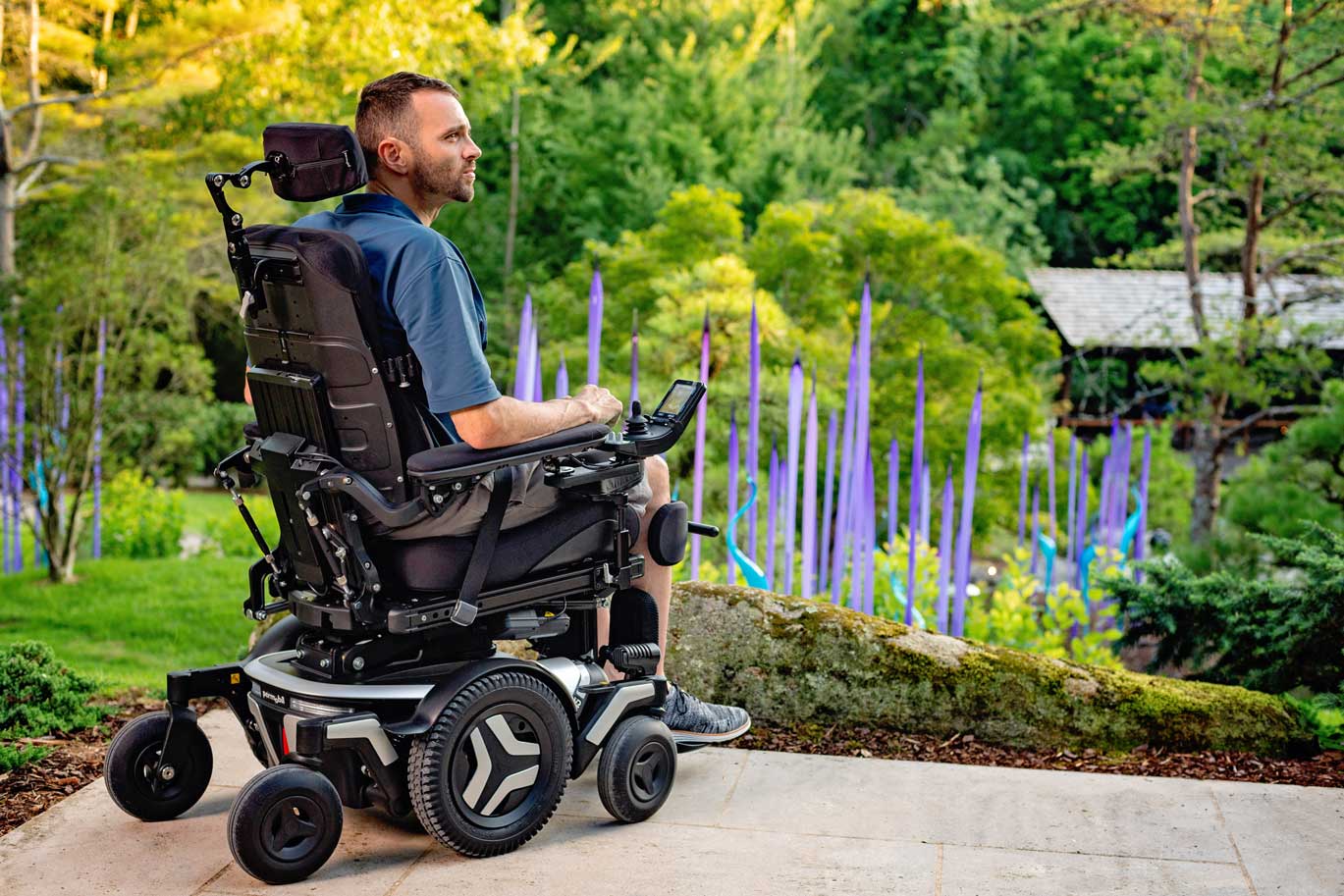
Consider whether the wheelchair needs to be lightweight for transportation purposes or if it will be primarily used indoors or outdoors. Lightweight models are often easier to transport in cars or public transportation, while larger, more robust chairs may be necessary for users who need greater stability and outdoor functionality.
5. Pressure Relief Features
Pressure relief is one of the primary reasons for choosing a postural seating wheelchair. When sitting for long periods, pressure can build up on specific areas of the body, especially on the buttocks, back, and legs. This pressure can lead to painful conditions like pressure sores and skin breakdown.
To reduce the risk of pressure sores, many postural seating wheelchairs come equipped with advanced pressure relief systems, including specialized seat cushions, tilt-in-space, and recline features. These features allow users to shift their weight and change position throughout the day, minimizing the risk of pressure ulcers. Look for wheelchairs that offer adjustable pressure relief features to help manage long-term comfort and health.
6. Durability and Quality of Materials
A wheelchair is a long-term investment, so durability is an important consideration. The materials used in the wheelchair should be sturdy and capable of withstanding daily wear and tear. Look for a wheelchair made with high-quality materials, such as lightweight aluminum or durable steel frames.
Additionally, check the quality of the upholstery and padding, as these elements will directly impact both comfort and longevity. Chairs that are easy to clean and maintain are preferable, especially for users who spend significant time in their wheelchair.
Consulting a Healthcare Professional
Consulting a healthcare professional is crucial when selecting a postural seating wheelchair. They can help assess the individual’s specific needs and recommend the best options for posture, comfort, and functionality. An occupational therapist, physical therapist, or wheelchair specialist can also provide guidance on selecting the right cushion, seating adjustments, and mobility features.
Since wheelchair users’ needs can change over time, regular check-ins with healthcare providers are important to ensure that the wheelchair remains the right fit. They can also provide recommendations for upgrades or modifications as the user’s condition evolves.
Top Features to Look for in a Postural Seating Wheelchair
1. Adjustable Backrest and Lumbar Support
An adjustable backrest is essential for maintaining proper spine alignment. A lumbar support feature ensures that the lower back is supported, reducing the risk of strain or discomfort. Many postural seating wheelchairs offer customizable lumbar supports to suit individual needs.
2. Tilt-In-Space and Recline Options
Tilt-in-space and recline functions allow users to redistribute their weight and relieve pressure on key areas of the body. These features are particularly beneficial for preventing pressure sores during long periods of sitting. They also provide users with the ability to change position easily for added comfort.
3. Custom Cushions and Footrests
Customizable cushions and footrests help ensure the wheelchair fits the user’s body perfectly. Look for options with memory foam, gel, or air cushions that can provide adequate pressure relief. Adjustable footrests also play an important role in maintaining proper posture and preventing discomfort.
Conclusion: Making the Right Choice
Choosing the right postural seating wheelchair is an important decision that can significantly impact a user’s comfort, posture, and overall quality of life. By considering factors like postural needs, comfort, adjustability, and pressure relief, you can ensure that the wheelchair will support the user’s health and daily activities.
Remember to consult with a healthcare professional to help assess individual needs and make the best choice. A well-chosen postural seating wheelchair can improve not just mobility, but also enhance independence and comfort for years to come.

