
Smart Homes, Smooth Recovery: Rehab Tech in Aged Living
As Australia’s population ages, the demand for innovative solutions to support seniors in their rehabilitation journey has intensified. Smart home technology has emerged as a transformative tool in aged care, offering personalized, data-driven support that enhances recovery and promotes independence. This article explores how integrating smart home devices into rehabilitation programs can lead to smoother recoveries and improved quality of life for older adults.
Understanding Smart Home Technology in Aged Care
Smart home technology encompasses a range of devices and systems that connect to the internet, allowing for remote monitoring and control. In the context of aged care, these technologies are tailored to meet the unique needs of seniors, facilitating safer, more efficient, and more comfortable living environments.
Common smart home devices used in aged care include:
Voice-activated assistants: Devices like Amazon Alexa and Google Assistant enable seniors to control various aspects of their environment, such as lighting, temperature, and entertainment systems, through simple voice commands.
Smart lighting and thermostats: Automated lighting and temperature controls adjust to the user’s preferences and routines, promoting comfort and energy efficiency.
Health monitoring devices: Wearables and sensors track vital signs, physical activity, and sleep patterns, providing valuable data for caregivers and healthcare providers.
Security systems: Smart cameras, door locks, and motion detectors enhance safety by monitoring the home and alerting caregivers to potential issues.
These technologies not only support daily living but also play a crucial role in rehabilitation by enabling continuous monitoring and timely interventions.
Enhancing Rehabilitation with Smart Home Devices
Integrating smart home technology into rehabilitation programs offers several benefits that contribute to smoother recoveries for seniors:
Smart Homes Automation
1. Continuous Monitoring and Data Collection
Smart devices provide real-time data on a senior’s health status, including heart rate, blood pressure, and activity levels. This continuous monitoring allows healthcare providers to track progress, identify potential issues early, and adjust treatment plans as needed. For instance, wearable devices can detect falls or sudden changes in mobility, prompting immediate alerts to caregivers.
2. Personalized Rehabilitation Plans
The data collected by smart devices can be analyzed to create personalized rehabilitation programs tailored to an individual’s specific needs and progress. This personalized approach enhances the effectiveness of rehabilitation efforts and promotes quicker recovery times.
3. Remote Monitoring and Telehealth Integration
Smart home technologies facilitate remote monitoring, allowing healthcare providers to assess a senior’s condition without the need for frequent in-person visits. This integration with telehealth services ensures continuous care and timely interventions, even when physical appointments are not possible.
4. Enhanced Safety and Fall Prevention
Falls are a significant concern in aged care. Smart home devices equipped with motion sensors and fall detection capabilities can alert caregivers to potential incidents, enabling prompt assistance. Additionally, automated lighting and obstacle detection systems can help prevent falls by ensuring well-lit pathways and identifying hazards.
5. Improved Medication Management
Smart medication dispensers and reminder systems assist seniors in adhering to their prescribed medication schedules. These devices can provide alerts when it’s time to take medication and can even dispense the correct dosage, reducing the risk of missed or incorrect doses.
Challenges and Considerations
While smart home technology offers numerous benefits, there are challenges to consider:
Digital Literacy: Some seniors may find it challenging to operate advanced technology. Providing training and user-friendly interfaces can help mitigate this issue.
Privacy and Security: The use of connected devices raises concerns about data privacy and security. Ensuring that devices comply with privacy regulations and implementing strong security measures is essential.
Cost: The initial investment in smart home technology can be significant. However, the long-term benefits, such as reduced healthcare costs and improved quality of life, may offset the initial expenses.
Future Trends in Smart Home Technology for Aged Care
The future of smart home technology in aged care is promising, with several emerging trends:
Artificial Intelligence (AI) Integration: AI can analyze data from various devices to predict health issues before they occur, enabling proactive care.
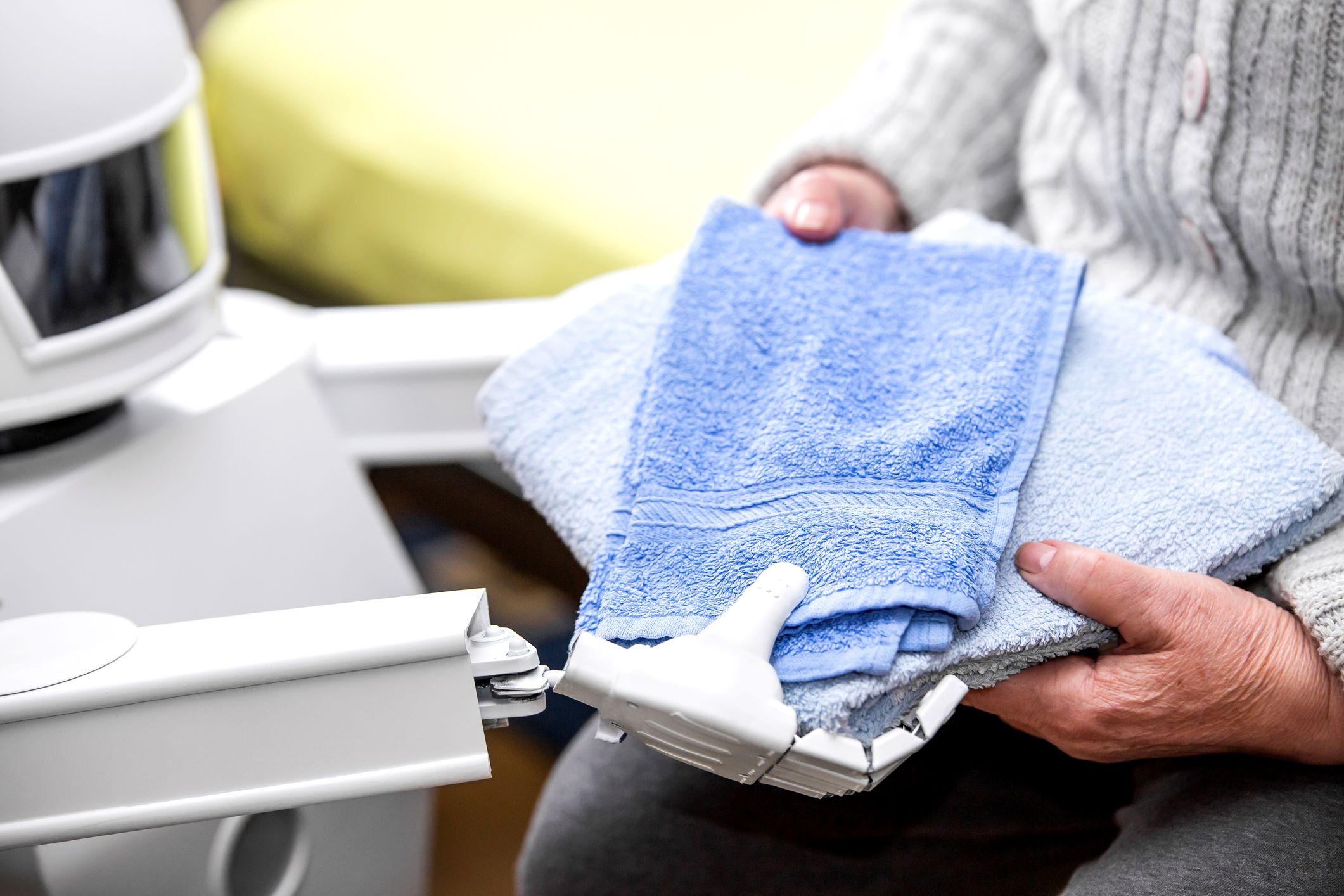
Robotic Assistance: Robots can assist with daily tasks, such as medication delivery and mobility support, enhancing independence for seniors.
Interoperability: Future devices will be designed to work seamlessly together, creating an integrated system that provides comprehensive care.
Wearable Technology: Advancements in wearable devices will allow for more accurate health monitoring and personalized rehabilitation programs.
Conclusion
Smart home technology is revolutionizing rehabilitation in aged care by providing personalized, data-driven support that enhances recovery and promotes independence. By integrating these technologies into rehabilitation programs, seniors can experience smoother recoveries and improved quality of life. As technology continues to advance, the potential for smart homes to transform aged care is boundless.

